
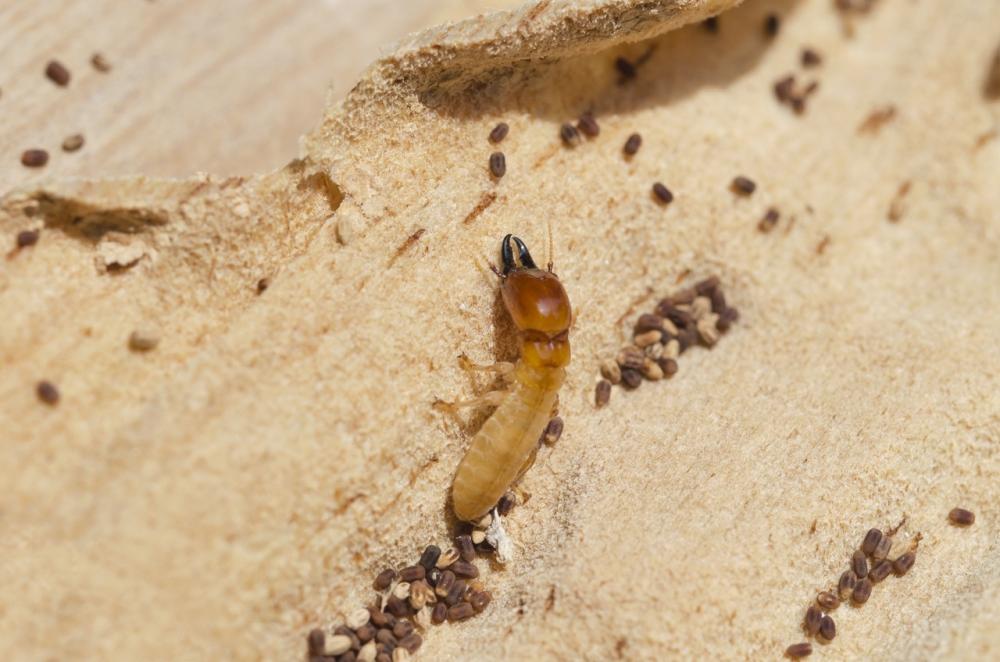

- Termites are among the most dangerous pests affecting homes and buildings in Saudi Arabia, due to their ability to cause significant damage to wood, furniture, and wooden elements without homeowners noticing their presence in the early stages. Termites often live within the soil, walls, or wood, allowing them to continue feeding and reproducing for extended periods before any signs of infestation become apparent. Therefore, early detection of an infestation helps minimize losses and facilitates control efforts before the colony spreads widely.
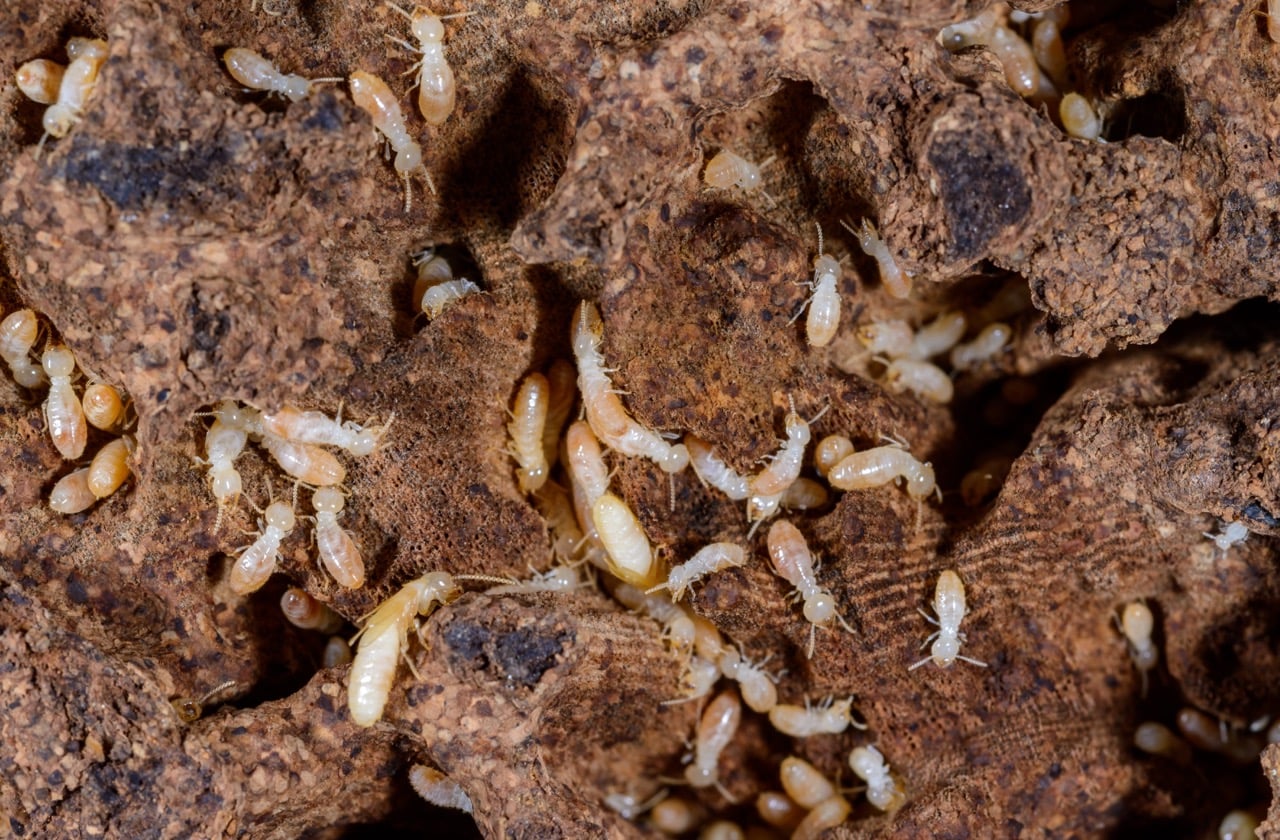
What are termites?
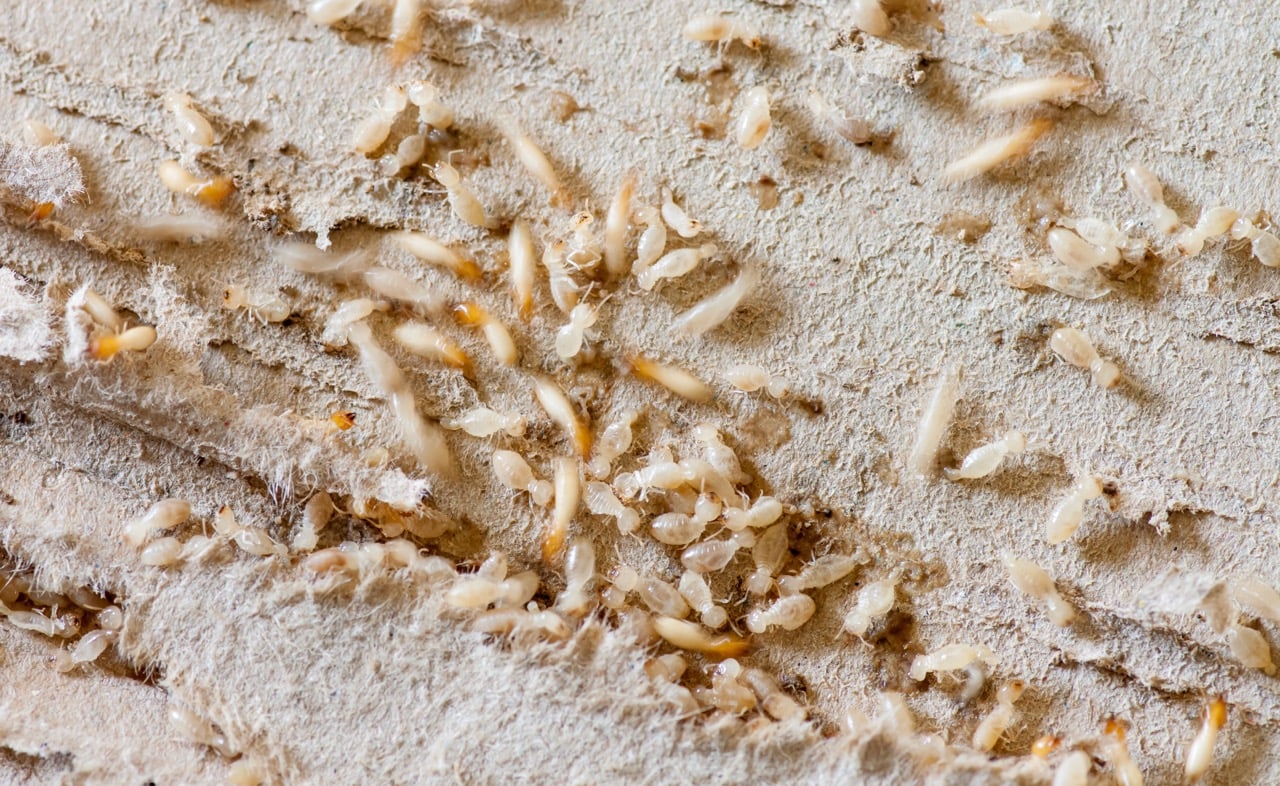
- Termites are social insects that live in colonies that can number in the thousands or millions. They feed primarily on cellulosefound in wood, paper, cardboard, and some plant materials, and are characterized by their ability to build mud tunnels that protect them as they move between the soil and food sources.
Why are termites dangerous?
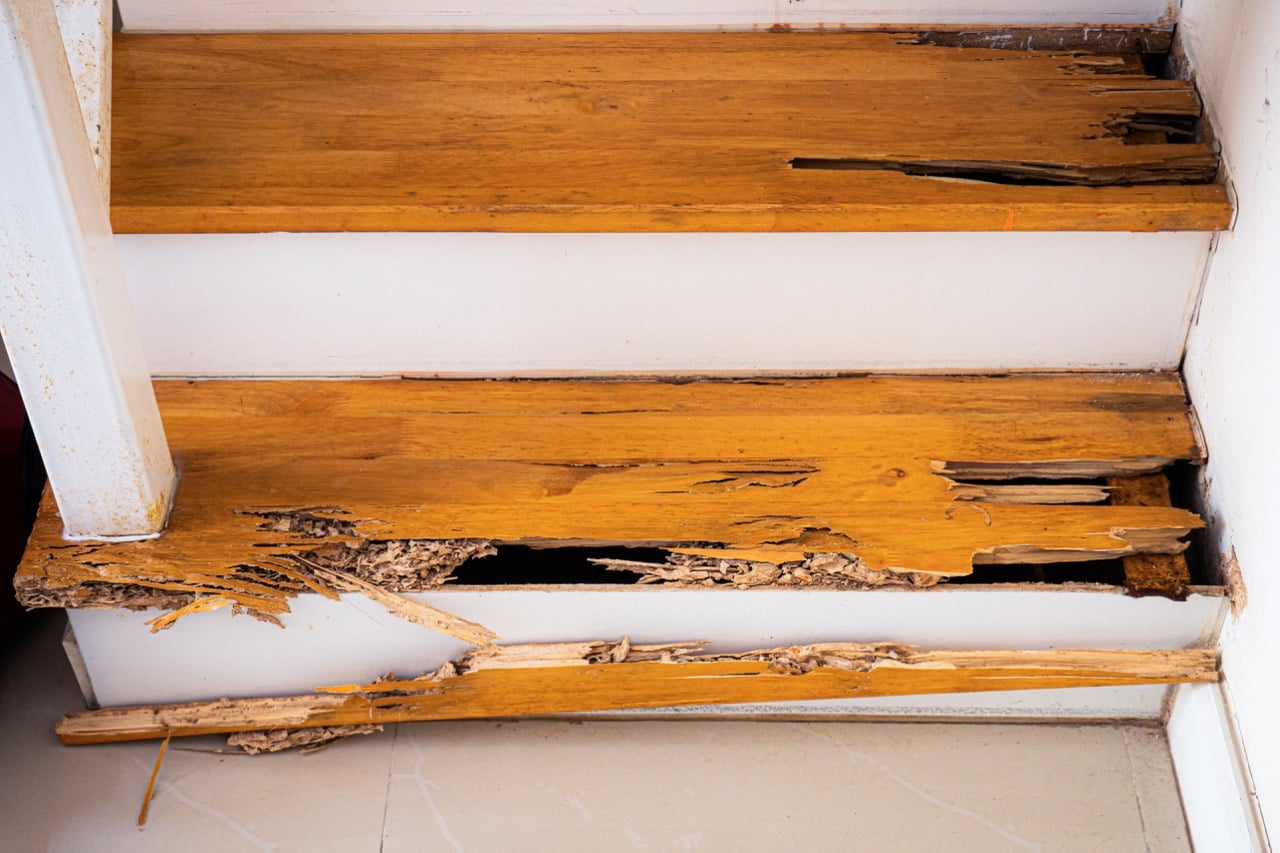
- The danger of termites lies in their ability to feed on wood from the inside out, so wood may appear outwardly sound despite extensive internal damage. Over time, the damage can extend to doors, windows, furniture, wooden ceilings, and other structural elements of the building, leading to significant financial losses and difficult repairs.
10 signs that indicate the presence of termites
- 1. Appearance of mud tunnels on the walls
- Termites build small mud tunnels or passageways on walls and floors to protect themselves while moving between the soil and a food source.
- 2. The presence of hollow wood inside
- When striking damaged wood, a hollow sound may be produced as a result of the wear and tear on its internal parts.
- 3. Difficulty opening or closing doors and windows
- Termite activity and the accompanying moisture can lead to wood warping or expansion.
- 4. Appearance of drooping wings
- Winged insects often shed their wings after mating, and can be observed near windows, doors, and light sources.
- 5. Cracks or bulges in the paint
- Bubbles or cracks may appear in the paint as a result of tunnels or voids behind the layers of paint.
- 6. Damage to wooden furniture
- The appearance of tiny holes or abnormal weakness in parts of wooden furniture may be an indication of damage.
- 7. Hearing faint sounds inside the wood
- In some advanced infestations, sounds may be heard resulting from the movement of colony members inside the woods.
- 8. Appearance of fine granules resembling sawdust
- Some types of dry termites may leave fine granules near infestation sites.
- 9. Increased activity after rain
- Humidity helps increase termite activity and makes signs of infestation more visible.
- 10. Appearance of winged insects inside the house
- Observing numbers of insects with wings of equal length may be a sign of a nearby colony.
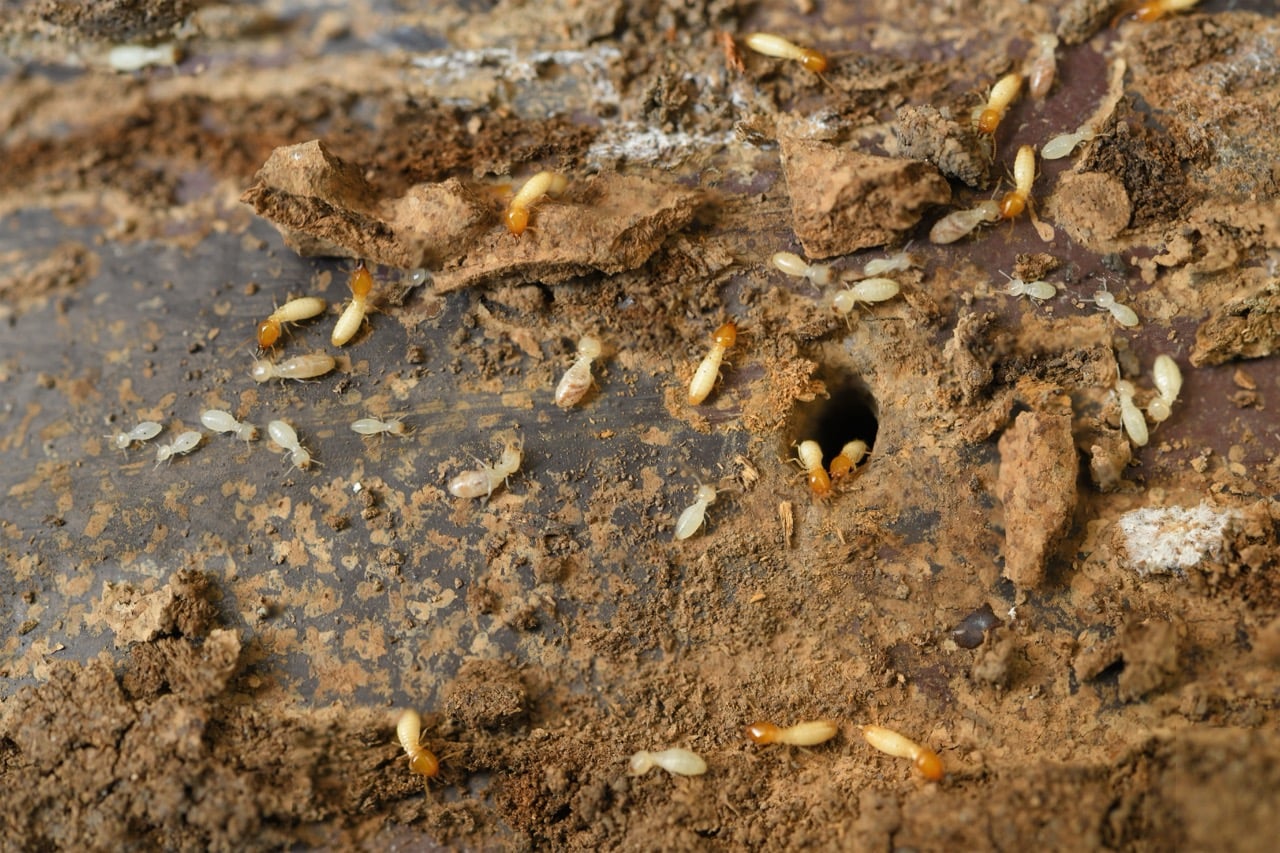
Where do termites usually hide?
- Termites are not only found on exposed wood, but can also hide inside walls, under floors, around water pipes, behind wooden baseboards, and in damp areas near the building's foundations. Therefore, an infestation may persist for extended periods before any visible signs appear on the surface.
- Most vulnerable areas
- Wooden door and window frames.
- Kitchens and bathrooms with high humidity.
- Cardboard warehouses and storage facilities.
- The gardens and surrounding areas of the building.
- Wooden ceilings and antique furniture.
- Areas with water leaks.
When does termite activity increase in Saudi Arabia?
- Termite activity increases in most parts of Saudi Arabia during the spring months, particularly from March to May, when temperatures rise, increasing mating opportunities and the emergence of winged insects to establish new colonies. Their activity also increases after rainfall and during periods of high humidity, especially in coastal cities like Jeddah and Dammam, and in areas with water leaks or poor ventilation.
- The period from March to May is the most common time to observe winged insects, although additional activity may occur in some areas during September and October depending on local climatic conditions. However, termites remain active year-round within the soil and wood, continuously feeding and reproducing, but signs of infestation become more apparent during periods of high humidity and after the rainy season.
The best active ingredients used in termite control
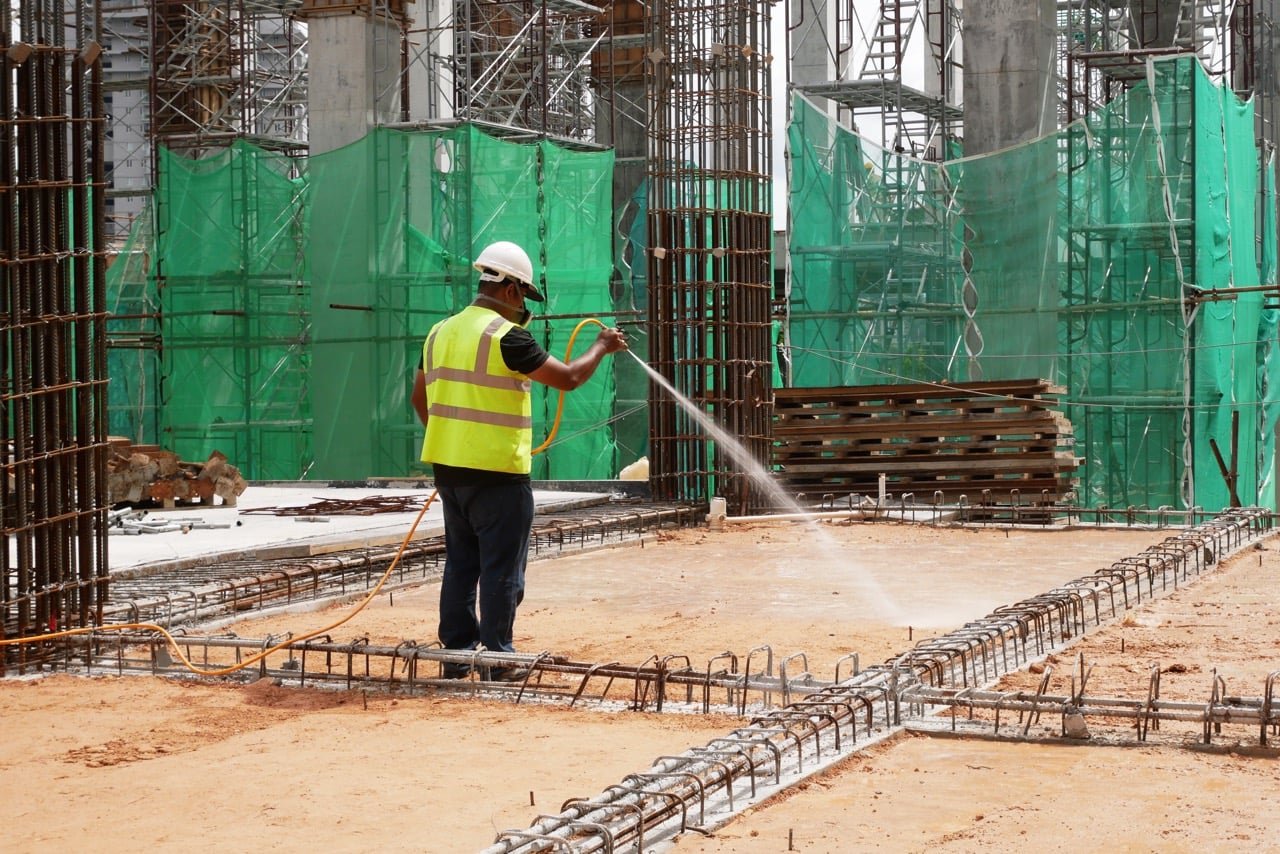
- Modern termite control relies on the use of specialized pesticides capable of reaching the colony or forming a protective barrier that prevents its continued activity. Some of the most popular and effective substances used globally in termite control include:
- Fipronil.
- Imidacloprid.
- Bifenthrin.
- Chlorfenapyr.
- These materials are characterized by their ability to combat termites in the soil, around buildings, and at points of infestation, with the method of application and protection period varying according to the type of material used.
How are termites controlled?
- Termite control relies on reaching the colony and treating the source of the infestation, not just eliminating the visible insects. This is achieved by treating the soil surrounding the building, injecting infested areas, or creating protective barriers to prevent future infestations. Therefore, accurate diagnosis of the infestation is the most crucial step to ensuring successful control.
Frequently Asked Questions about Termites
- Do termites bite humans?
- Termites are not considered dangerous insects to humans, and they rarely cause any direct harm, but their real danger lies in their ability to damage wood, furniture, and wooden elements in buildings.
- Can termites be eliminated by spraying at home?
- Household spraying may kill only the visible insects, but it often does not reach the underlying colony located inside the soil or walls, so the infestation may return again after a short period.
- Do termites infest new homes?
- Yes, it can affect both new and old homes, especially if the soil has not been preventively treated during construction or if there are sources of moisture near the building.
- What is the difference between termites and regular ants?
- Termites feed on wood and cellulose-containing materials, while common ants seek out traditional food sources such as sugars and proteins. Termites are also often lighter in color compared to most common ant species.
- Does the disappearance of the mud tunnels mean the end of the infection?
- Not necessarily, the colony may continue to be active inside walls or under soil without showing obvious signs on the surface.
- Do termites disappear on their own?
- No, termite colonies do not usually disappear without treatment; rather, they continue to grow and expand as long as moisture and suitable food sources are available.
- Can termites return after extermination?
- Yes, the infestation can return if the colony is not fully treated or if conditions favorable to termite activity persist, such as humidity, water leaks, and the presence of food sources near the building.
Orchid advice
- Upon noticing any signs of termite infestation, don't simply remove the affected area or spray only the visible insects, as the colony is often hidden within the soil or walls. The earlier the infestation is detected, the lower the control costs and the greater the chances of protecting the building and its furnishings. Therefore, it is advisable to conduct regular inspections of homes, warehouses, and buildings containing wooden elements.