
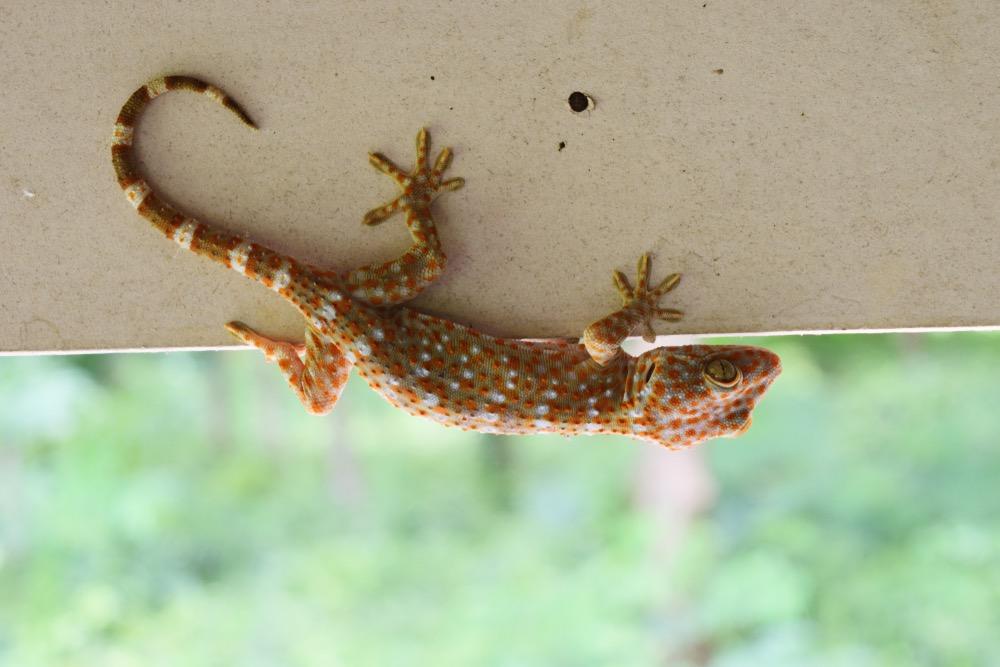

The appearance of geckos in the house , or what is known as house lizards, may recur even after they have been removed more than once. Here the most important question is: Why do geckos come to the house in the first place?
Geckos are reptiles that feed on insects and small arthropods, so the presence of cockroaches, flies, mosquitoes, mites, and other insects provides them with a food source. They can come from gardens, rooftops, common areas, or neighboring buildings and units, and then enter homes through cracks and openings. Therefore, effective gecko control begins with understanding their food source, where they are found, and how they enter , not just removing the geckos you see.
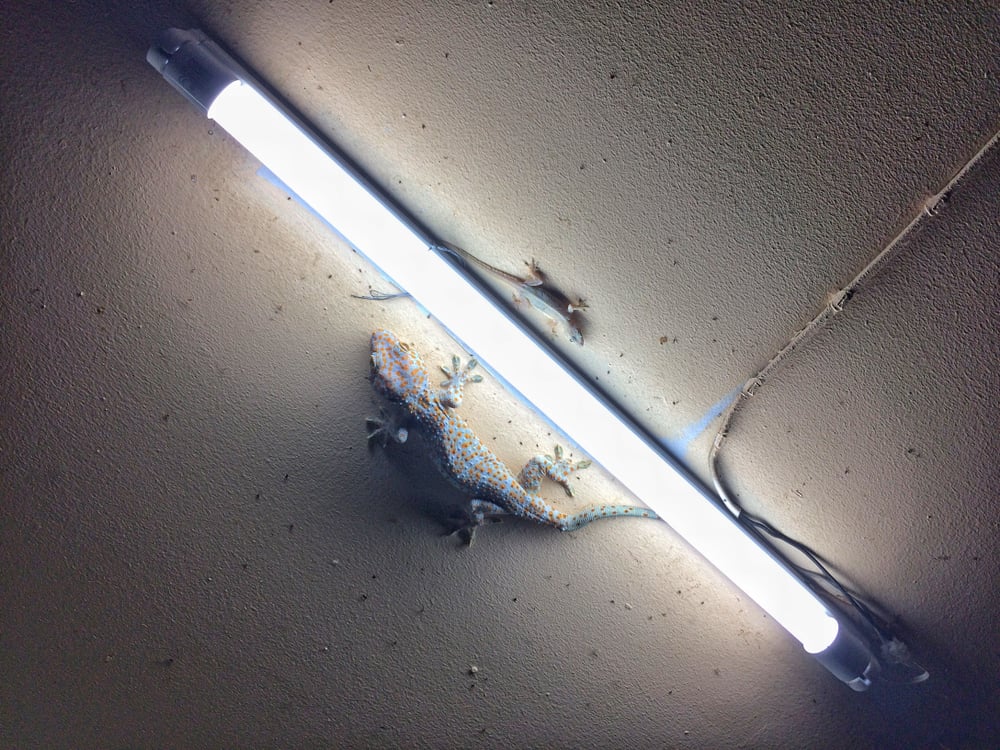
What is a gecko and what are its other names?
Geckos are small reptiles belonging to the house lizard family, and there are many different species. Many types of geckos are nocturnal and can be seen on walls, around windows, and near lights while searching for insects.
In Saudi Arabia and the Gulf, geckos are known by several common names that vary from region to region, the most famous of which are:
- The gecko .
- gecko .
- Gecko .
- gecko or lizard .
- Dator in some areas.
Popular names vary, and the word gecko itself may include more than one species, so the species cannot be accurately determined from the common name alone.
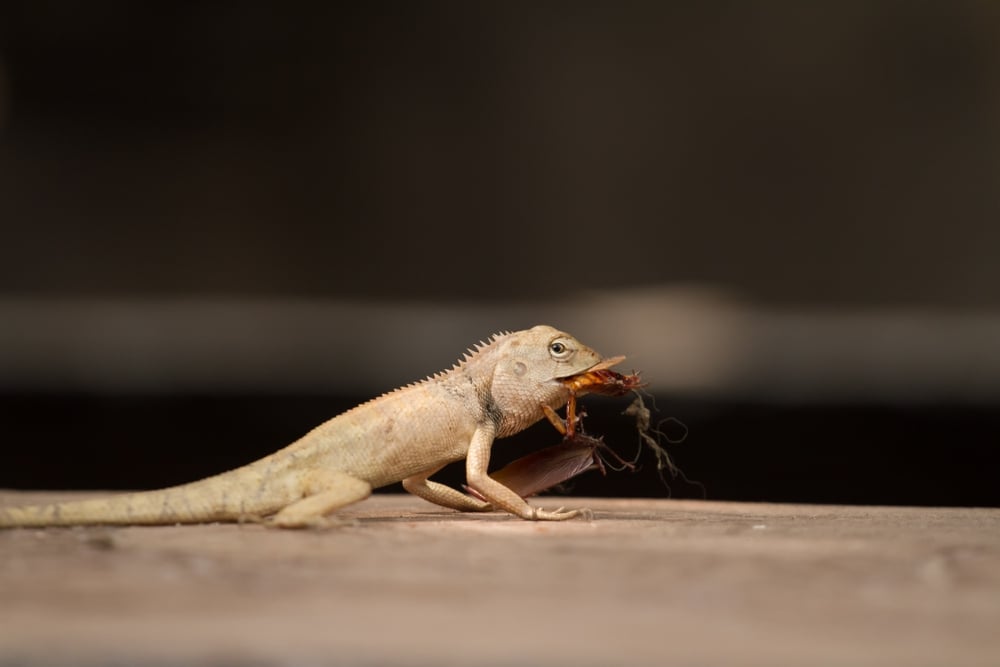
What do geckos eat?
This is one of the most important points for understanding why geckos are found in the house. Geckos are predators of insects and small arthropods , and their prey includes species such as moths, cockroaches, and other small insects.
Therefore, if a place provides a constant supply of insects, it also provides a continuous food source for geckos. For this reason, the presence of cockroaches or other flying and crawling insects in or around the house can be a contributing factor to the continued presence of geckos.
Here's an important point in pest control: don't focus on the gecko alone, and also look for the insects it feeds on.
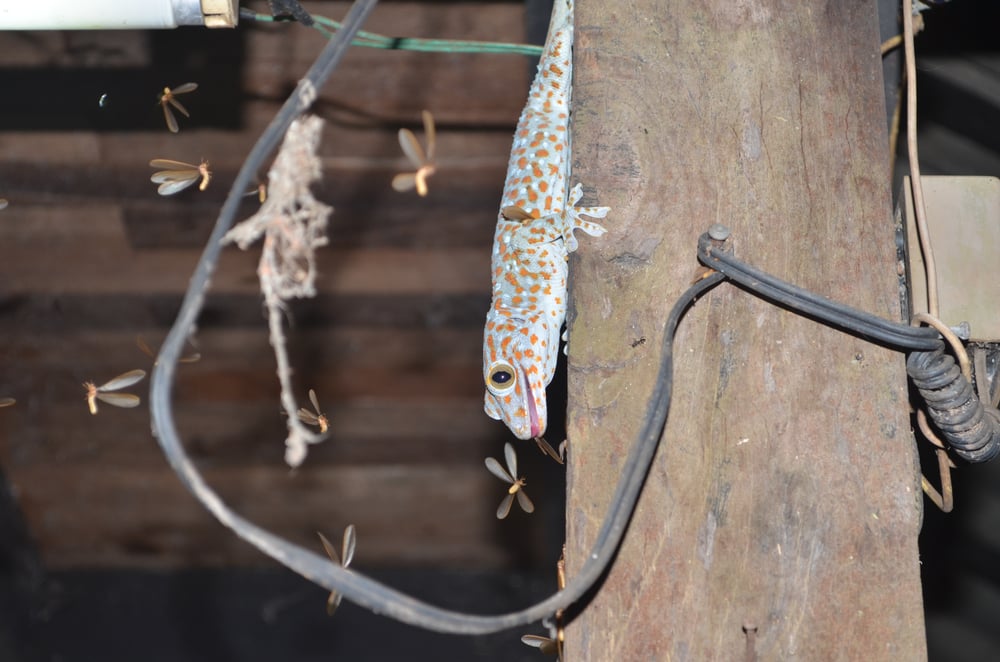
Why do geckos gather around lights?
You might notice a gecko standing on a wall near an outdoor lamp or a lit window at night. The reason isn't necessarily that the light itself is what the gecko is looking for; rather, the light attracts many nocturnal insects, and the gecko takes advantage of their gathering as a hunting ground .
Specialized sources indicate that the house gecko is frequently seen near balconies and windows at night, waiting for insects that gather there.
Therefore, if an outdoor light is surrounded by large numbers of insects every night, the area could become a regular food source for geckos . Reducing the concentration of insects around the light can help make the area less attractive to them.
Why do I have geckos even though they are not constantly inside the house?
Because the source of the gecko is not necessarily inside your home .
It may live or move around:
- Gardens, trees, and plants.
- Building facades.
- Surfaces.
- The manipulator.
- Service areas.
- Common areas in buildings.
- Adjacent buildings or units.
It then moves in search of insects or shelter and enters the house through a suitable opening. Geckos can also live outside or inside buildings, depending on the conditions.
Therefore, if you live in an apartment building, you may be able to deal with the problem inside your apartment, but the geckos will continue to appear because their source is in a common area, outside the unit, or near it .
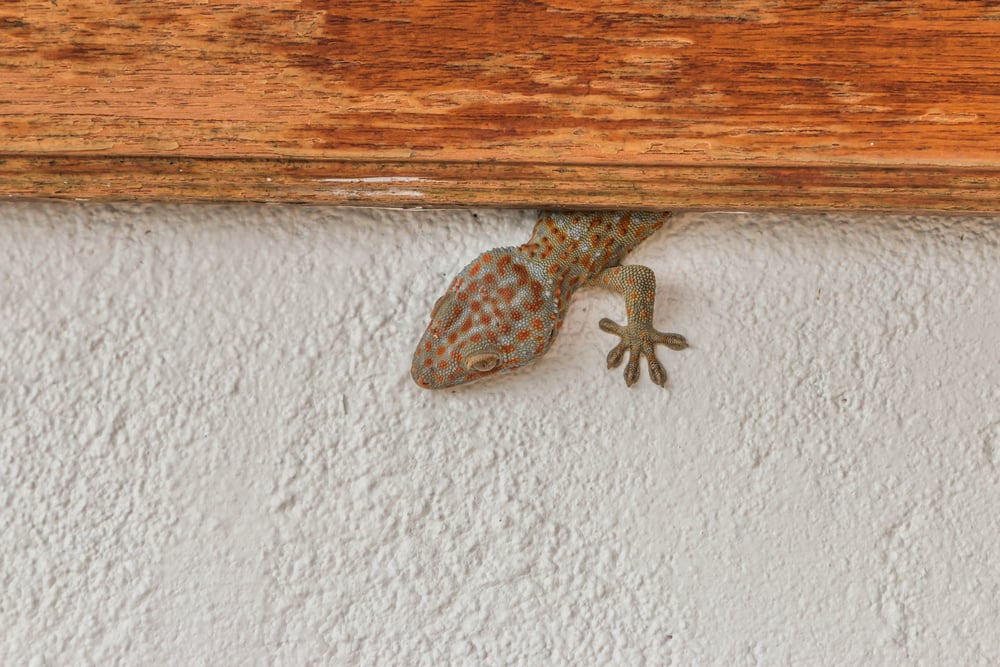
How does a gecko enter a house?
Geckos can take advantage of cracks and gaps in a building to get inside and hide, so the place should be thoroughly checked if they appear frequently.
Focus particularly on:
- The spaces under the doors.
- The windows are not airtight.
- Damaged window screens.
- Cracks in walls and facades.
- The gaps around the water pipes.
- Electrical outlets and cable connections.
- The spaces around the air conditioning units and extensions.
- Unprotected ventilation openings.
Removing the gecko without addressing these points may only temporarily solve the problem, as another individual could use the same entrance later.
Where does the gecko hide?
House geckos are mostly active at night, while they use cracks, gaps and sheltered places to hide during periods of inactivity.
You may notice it behind furniture or appliances, around windows and curtains, in gaps in walls or near low-traffic areas.
Signs that may help identify areas of its activity include the presence of dark, elongated droppings with a white or light-colored tip near hiding places or areas of movement.
Do geckos lay eggs inside the house?
Some types of geckos associated with buildings can lay eggs in sheltered places if the conditions are right.
In some types of house geckos, the female lays two eggs at a time and can produce several batches. The eggs may be laid inside cracks or other protected places.
Therefore, if you frequently see very small individuals, do not automatically assume that they all entered from the outside; there may also be suitable hiding and breeding places around or inside the building.
How to get rid of geckos in the house in a proper way?
Effectively dealing with the problem doesn't depend on a single step. If you want to reduce gecko infestations consistently, address the cause, source, and entry point .
Focus on:
- Pest control: If there is obvious activity of cockroaches, flies, mosquitoes or other insects, treat this infestation with the product designated for it according to the instructions for use.
- Reduce insect gatherings around lighting: especially in entrances, windows, and outdoor areas where geckos appear at night.
- Preventing entry: Seal cracks and gaps, repair window screens, and tighten doors and openings around pipes.
- Reducing hiding places: Addressing the gaps and hiding places around the building and within areas where it frequently appears.
- Examine the surrounding area: If the problem is recurring, look for its source in the garden, roof, skylight, service areas, and adjacent units.
- Use of designated repellent products: When using a gecko repellent, adhere to the product's registered instructions and uses and do not rely on random recipes or materials.
Does pest control help reduce geckos?
Yes, but it is part of the solution and not the only solution .
Because insects are a food source for geckos, reducing their numbers diminishes a significant food source. Gecko management guidelines indicate that insect control can impact gecko populations by reducing their food source, but preventing entry and sealing cracks and openings remains an essential part of long-term management.
In simpler terms: if you remove insects but leave the entrances to your house open, geckos may still enter from outside. And if you close the entrances but leave significant insect activity around the house, you are still providing them with a suitable area to forage for food around the building.
The best solution is to combine the two.
Is there a pesticide for geckos?
A distinction must be made between insecticides and products intended for gecko control. Geckos are crawlers, not insects, so any insecticide used for cockroaches, flies, or mosquitoes should not be considered a gecko insecticide simply because it is a pest control product.
In the university guidelines we reviewed for managing house geckos, there are no registered pesticides for direct gecko control in those systems, and therefore the management program focuses on preventing entry and reducing food sources, using methods or products permitted according to their local registration.
As for insecticides, their role is to combat the targeted insects listed on the product label , thus reducing one of the food sources that attract geckos to the place.
Why does a gecko come back after being gotten rid of?
Because getting rid of the gecko you saw does not mean that you have solved the source of the problem .
If it continues to appear, ask yourself:
- Are there many insects around the house?
- Do insects gather around lights at night?
- Are there any openings or cracks that would allow it to enter?
- Is there a suitable garden or outdoor area near the house?
- Could its source be the roof, skylight, or service area?
- Is the problem also present in neighboring units?
If the answer to any of these questions is yes, then dealing only with the existing gecko will not necessarily prevent others from appearing.
The best way to prevent geckos from returning
Think of the problem this way:
Food: Reduce the insects it feeds on.
Attraction: Reduce insect gatherings around lighting and entrances.
Shelter: Reduce cracks, gaps, and places where it can hide.
Entry: Close windows, openings, and spaces around doors and extensions.
External source: Check the garden, roof, skylights, common areas and surroundings of the building if the problem persists.
This method is more effective than dealing with each gecko that appears separately, because it targets the reasons that make the place suitable for it in the first place .
Summary
Geckos don't appear in the house for no reason. They need food, relying heavily on insects and small arthropods, and they also need hiding places and ways to get into the house.
This is why you might see them frequently around lights at night; not because the light bulb is their food, but because insects gather around light and they come to hunt . Their source may also be outside your home, such as in the garden, on the roof, in the skylight, or in common areas and neighboring units.
Therefore, the correct way to deal with the gecko problem depends on controlling the insects that it feeds on, reducing its gathering around lights, closing the entrances to the house, reducing hiding places, and using the appropriate repellent products when needed according to their instructions .
In this way, you not only deal with the gecko you see now, but also make the place itself less attractive and harder for geckos to enter in the future .