
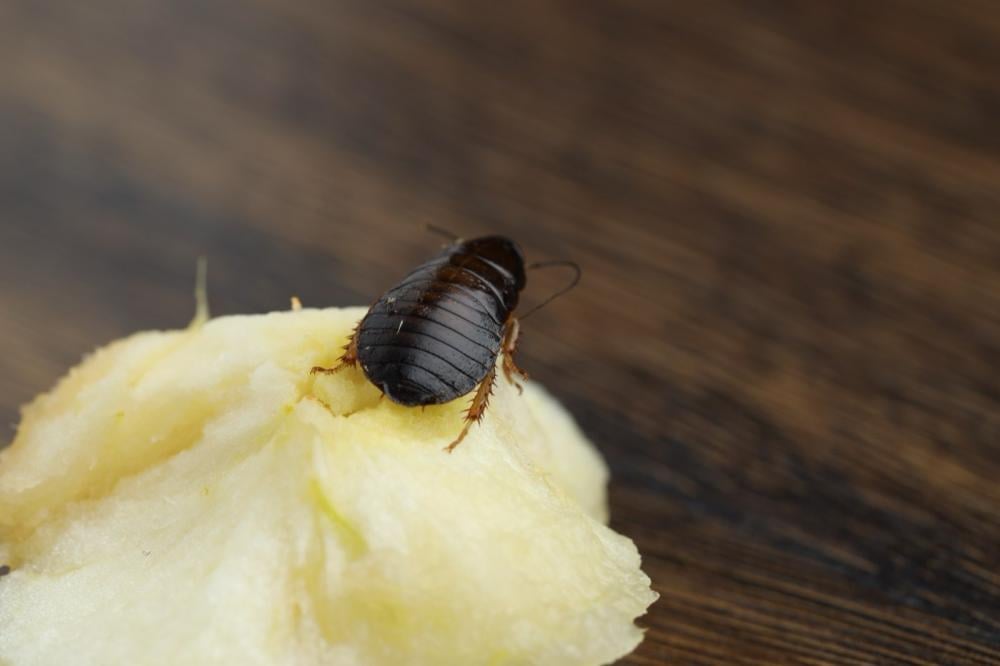

Household insect types are many, but most of what you see in homes here comes down to a limited number of insects. Knowing the insect's name is half the treatment, because a cockroach product, for example, does not work on bed bugs, and the approach for ants is different from flies.
This article helps you identify the insect from how it looks and where you found it, and points you to the article that explains how to get rid of it.
How to identify an insect by its look
Before looking for a name, note these points:
- Size: smaller than a grain of rice, the size of a grain of rice, or larger.
- Colour: brown, black, red, silver or white.
- Wings: does it fly or only crawl?
- Movement: fast, slow, or does it jump?
- Timing: does it come out by day or only at night?
- Location: kitchen, bathroom, bedroom or storeroom.
Kitchen insects
- German cockroach: small and light brown with two dark stripes on its back, living inside cupboards and behind appliances. See German Cockroaches.
- Ants: walk in trails to food and sugar. See Household Ant Types.
- Fruit flies: very small with red eyes, hovering around fruit and rubbish. See Fruit Flies in the Kitchen.
- Grain weevils: small beetles in rice, flour and pulses. See Grain Weevils and Stored Product Pests.
- Pantry moths: small grey moths coming out of flour and nuts. See Pantry and Flour Moths.
Bathroom insects
- American cockroach: large and reddish brown, coming out of drains at night. See American Cockroach.
- Drain flies: small and grey with heart-shaped wings, resting on bathroom walls. See Drain Flies.
- Silverfish: shiny silver with a fish-like body, fond of moisture. See Silverfish.
- Damp insects: such as woodlice and millipedes. See Damp Insects in the Home.
Bedroom insects
- Bed bugs: flat and reddish brown, the size of a lentil, biting at night and hiding in the bed. See Bed Bugs.
- Fleas: small, dark and jumping, usually linked to pets. See Fleas.
- Carpet beetles: small mottled beetles whose larvae eat wool and carpets. See Carpet Beetles.
- Clothes moths: small golden moths that make holes in woollen clothes. See Clothes Moths.
If something bites you at night and you do not know what it is, see Insects That Bite at Night.
Very small insects in the home
- Book lice: tiny, white or grey, in books, papers and damp places. See Book Lice.
- Small pigeon bugs (bird mites): tiny moving dots near windows and AC units with pigeon nests. See Small Pigeon Bugs.
- Pharaoh ants: tiny yellow ants whose nests are hard to find. See Pharaoh Ants.
Flying insects
- House flies: grey with four stripes on the back. See House Flies.
- Mosquitoes: buzz and bite at night. See Mosquitoes.
- Flying termites: come out in swarms around lights after rain, a sign of a colony nearby. See Termites.
Wood and furniture insects
- Termites: leave mud tubes on walls and hollow wood from the inside. See Termites.
- Woodworm: small holes in furniture with fine dust beneath them. See Woodworm.
- Carpenter ants: large black ants that tunnel into damp wood. See Carpenter Ants.
Creatures often mistaken for insects
- Scorpions: arachnids that come out at night in summer. See Scorpions.
- Ticks: arachnids with 8 legs, common with dogs and livestock. See What Ticks Look Like.
- Geckos: small reptiles, not insects, that enter homes after insects. See Geckos in the Home.
What to do once you know the insect
- Find the source: the nest, hiding place or breeding site.
- Clean the area and remove the insect's food and moisture sources.
- Choose the right method for the insect: gel, bait, spray, dust or trap.
- Repeat the treatment as the insect requires, because eggs are often unaffected the first time.
- Seal entry points so it does not come back.
For the correct spraying technique, see How to Spray Pesticides at Home Yourself.
Products from Orkida
- Advion cockroach gel by Syngenta
- Advion ant gel by Syngenta
- Maxforce Forte gel
- Demand CS by Syngenta
- K-Othrine dust
- Catchmaster glue boards
Household insect FAQs
What is the small black insect in my home?
The most common are carpet beetles, grain weevils and small ants. Check where it is: in the kitchen and food it is usually weevils, near carpets and clothes it is usually carpet beetles.
Why have insects suddenly increased at home?
Usually because of heat, a water leak, uncovered food, nearby pigeon nests, or insects brought in with second-hand items or furniture.
How can I identify an insect I cannot see clearly?
Catch it on clear tape or in a bag, photograph it close up with your phone, and compare it with the descriptions here or send it to us.
Is there one insecticide for all insects?
There are broad-spectrum products that kill many types, but the best results always come from the right method for each insect, such as gel for cockroaches and bait for ants.