
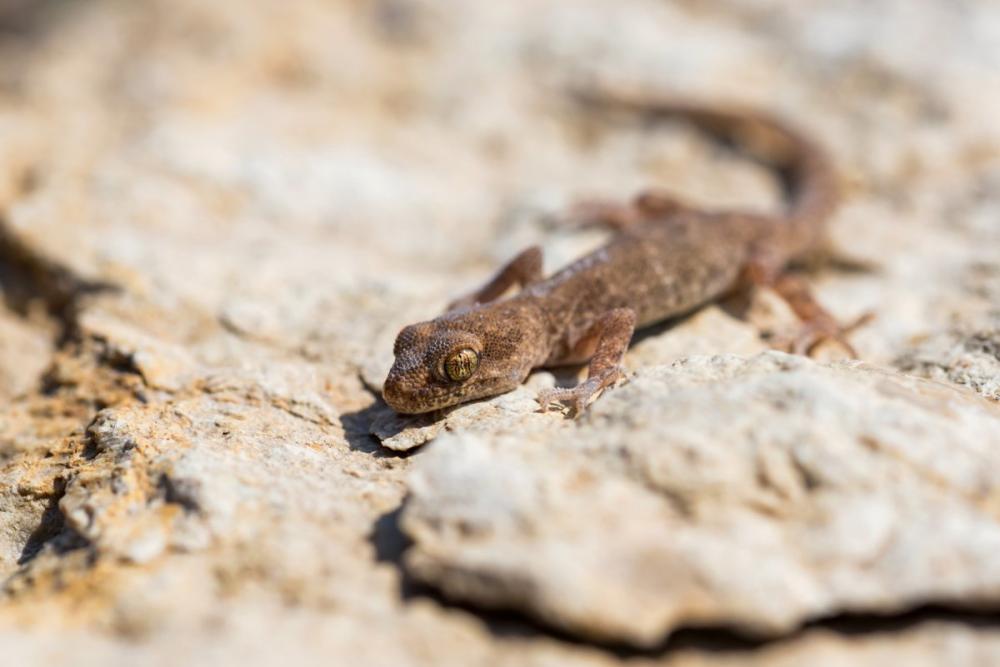

A gecko in the house, known locally as Abu Burays, can keep coming back even after you remove it several times. So the most important question is: why does the gecko come into the home in the first place?
Geckos are reptiles that feed on insects and other small arthropods, so the presence of cockroaches, flies, mosquitoes, moths and other insects gives them a food source. A gecko can also come from the garden, the building roof, shared areas, or neighboring places and units, and then enter the home through cracks and openings. That is why getting rid of it effectively starts with understanding the food source, where it lives and how it gets in, and not only removing the gecko you see.
Status: the gecko is a nocturnal reptile that feeds on insects, and it enters homes where insects gather around lights.
Harm: it does not bite, but its droppings contaminate surfaces and stain walls, and it may transfer Salmonella bacteria to food.
Cause: insects drawn to lights are the biggest factor, so removing the food source reduces geckos without chasing them.
Common mistake: chasing it off the wall by hitting or repeated spraying instead of sealing entry points and reducing insects.
Rule: seal cracks, reduce window lighting at night, use a suitable glue trap, and clean the kitchen daily to reduce what the gecko eats.
What is the gecko and what are its other names?
The gecko is a small reptile of the gecko family, and there are several species. Many house-associated species are active at night, and can be seen on walls and around windows and lights while hunting insects.
In Saudi Arabia and the Gulf the gecko is known by several colloquial names that vary from region to region. The best known are:
- Al-Wazagh (the gecko).
- Abu Burays.
- Bureisi.
- Burays or Baras.
- Dhator in some regions.
Local names vary, and the word "wazagh" itself may cover more than one species, so the exact species cannot be determined from the colloquial name alone.
What do geckos eat?
This is one of the key points for understanding why geckos are in your home. The gecko is a predator of insects and small arthropods, and its prey includes moths, cockroaches and other small insects.
So if a place provides a steady supply of insects, it also provides a steady food source. That is why clear activity of cockroaches or flying and crawling insects in or around the house may be one of the factors that keep geckos there.
And here is an important point for control: do not focus on the gecko alone, and also look for the insects it feeds on.
Why do geckos gather around lights?
You may notice a gecko on the wall near an outdoor bulb or a lit window at night. The reason is not necessarily that the gecko is seeking the light itself; rather, lighting attracts many nocturnal insects, and the gecko uses their gathering as a hunting spot.
Specialist sources indicate that house geckos are frequently seen near balcony and window lights at night, waiting for the insects that gather there.
So if outdoor lighting is surrounded by large numbers of insects every night, the area may become a regular food source for the gecko. Reducing insect gathering around lights can make the place less attractive to it.
Why do I have geckos even though they are not always inside my home?
Because the source of the gecko is not necessarily inside your home.
It may live or move around:
- Gardens, trees and plants.
- Building facades.
- Roofs.
- Light wells.
- Service areas.
- Shared areas in apartment buildings.
- Neighboring buildings or units.
It then moves in search of insects or shelter and enters the home through a suitable opening. A gecko can live outside or inside a building depending on the conditions available.
So if you live in an apartment building, you may treat the problem inside your apartment but geckos keep appearing because their source is in a shared area or outside the unit or near it.
Where do geckos enter the house?
Geckos can use cracks and gaps in the building to get inside and hide, so inspect the place carefully if they appear repeatedly.
Focus especially on:
- Gaps under doors.
- Windows that do not close tightly.
- Damaged window screens.
- Cracks in walls and facades.
- Gaps around water pipes.
- Openings for electrical conduits and cables.
- Gaps around air conditioning units and lines.
- Unprotected vents.
Removing the gecko without treating these points may solve the problem only temporarily, because another one can use the same entrance later.
Where do geckos hide?
The house gecko is mostly active at night, and uses cracks, gaps and protected places to hide during inactive periods.
You may notice it behind furniture or appliances, around windows and curtains, in wall gaps, or near low-traffic areas.
One sign that can help you find where it is active is dark, elongated droppings with a white or light tip near hiding or movement areas.
Do geckos lay eggs inside the house?
Some building-associated gecko species can lay eggs in protected places if conditions allow.
In some house gecko species the female lays two eggs per clutch and can produce several clutches, and the eggs may be placed in cracks or other protected places.
So if you repeatedly see very small geckos, do not automatically assume they all came from outside; there may also be suitable places for hiding and breeding around or inside the building.
How do you get rid of geckos in the house the right way?
Dealing with the problem effectively does not depend on a single step. If you want to reduce gecko sightings for good, deal with the cause, the source and the way in.
Focus on:
- Insect control: if there is clear activity of cockroaches, flies, mosquitoes or other insects, treat that infestation with the product designed for it, following the directions for use.
- Reducing insects around lights: especially at entrances, windows and outdoor areas where geckos appear at night.
- Blocking entry: seal cracks and gaps, repair window screens, and make doors and openings around utilities tight.
- Reducing hiding places: deal with gaps and hiding spots around the building and in areas where they keep appearing.
- Checking the surroundings: if the problem is recurring, look for its source in the garden, roof, light well, service areas and neighboring units.
- Using dedicated repellent products: when using a gecko repellent, follow the product's registered directions and uses, and do not rely on random recipes or substances.
Does insect control help reduce geckos?
Yes, but it is part of the solution, not the only solution.
Because insects are food for geckos, reducing their numbers cuts an important food source. Gecko management guidance indicates that insect control can affect gecko numbers by reducing their food source, but preventing entry and sealing cracks and openings remains an essential part of long-term management.
Put more simply: if you remove the insects but leave the home's entrances open, geckos may still come in from outside. And if you close the entrances but leave heavy insect activity around the house, you are still providing a suitable foraging area around the building.
The best solution is to combine both.
Is there a pesticide for geckos?
A distinction should be made between insecticides and products designed to deal with geckos. The gecko is a reptile, not an insect, so no insecticide for cockroaches, flies or mosquitoes should be considered a gecko killer just because it is a pest control product.
In the university guidance we reviewed on managing house geckos, there are no pesticides registered for direct control of geckos in those systems, so the management program focuses on preventing entry and reducing food sources, using the methods or products permitted under local registration.
As for insecticides, their role is to control the target insects listed on the product label, and thereby reduce one of the food sources that attract geckos to the place.
Products that help you deal with geckos and their food sources
- Catch Master American glue traps: ready-to-use glue boards without pesticide, placed along movement paths behind furniture and near walls.
- K-Othrine 25 EC from Envu (formerly Bayer): an insecticide for flying and crawling insects around entrances and windows, which reduces the insects geckos feed on.
- Catch Master flying insect glue strips: reduce flies and flying insects around entrances and lighting.
You can find all the options in the traps and snares section. Place glue boards out of reach of children and pets.
Why do geckos come back after you get rid of them?
Because getting rid of the gecko you saw does not mean you have treated the source of the problem.
If they keep appearing, ask yourself:
- Are there many insects around the house?
- Do insects gather around the lights at night?
- Are there openings or cracks that let them in?
- Is there a garden or outdoor area suitable for them near the house?
- Could the source be the roof, a light well or a service area?
- Is the problem also present in neighboring units?
If the answer to any of these is yes, dealing only with the gecko that is there will not necessarily prevent others from appearing.
The best way to stop geckos coming back
Think about the problem this way:
Food: reduce the insects they feed on.
Attraction: reduce insect gathering around lighting and entrances.
Shelter: reduce cracks, gaps and places where they can hide.
Entry: close windows, openings and gaps around doors and utilities.
External source: inspect the garden, roof, light wells and shared and surrounding areas if the problem continues.
This approach is more effective than dealing with each gecko separately, because it targets the reasons that make the place suitable for them in the first place.
Conclusion
The gecko, or Abu Burays, does not appear in the house out of nowhere. It needs food, relying heavily on insects and small arthropods, and it needs places to hide and ways to reach the home.
That is why you may see it often around lights at night; not because the bulb is its food, but because insects gather around the light and it comes to hunt. Its source may also be outside your home altogether, such as the garden, roof, light well, shared areas or neighboring units.
So the right way to deal with a gecko problem depends on controlling the insects it feeds on, reducing their gathering around lights, sealing the home's entrances, reducing hiding places, and using suitable repellent products according to the label, so that the place itself becomes less attractive and harder for geckos to enter in the future.
Harm caused by geckos (Abu Burays) in the house
The gecko does not bite or attack people, but its harm lies in what it leaves behind: its small black droppings with a white tip contaminate surfaces and exposed food and may transmit bacteria such as Salmonella, and seeing one causes annoyance and fear for many people, especially in kitchens and bedrooms. Its presence also usually indicates insects that it feeds on, such as flies, mosquitoes and cockroaches, so treating the insects is part of treating the gecko. An effective solution combines sealing entry points, reducing insects, and using a repellent or glue trap in the places it frequents.
Frequently asked questions about geckos in the house
Are geckos a health risk?
A gecko may contaminate surfaces with its droppings and transmit some bacteria, so it is advisable to clean the places where it is found and not to touch it without protection.
Why do geckos appear in the house?
They follow the small insects they feed on, and find warm hiding places in cracks, behind furniture and near lighting.
How do I keep it away without harming it?
Reduce insects inside the house, seal cracks, close doors and windows or fit screens, and a suitable repellent can be used in the targeted places.
Is spraying pesticides suitable?
Insecticides do not treat geckos directly; it is better to focus on sealing entry points, reducing insects and cleaning their hiding places.