

The appearance of bed bugs in a home is not usually related to poor hygiene, as some believe, but rather to the indirect transfer of the insects from an infested location to the home. Bed bugs are small insects that reproduce rapidly and are capable of hiding for extended periods without being noticed. Therefore, an infestation may appear to have appeared suddenly, while the insects have actually been present for weeks unnoticed. Understanding the true cause of their appearance is the first step to preventing their spread and controlling them early.
5 reasons why bed bugs appear in the house
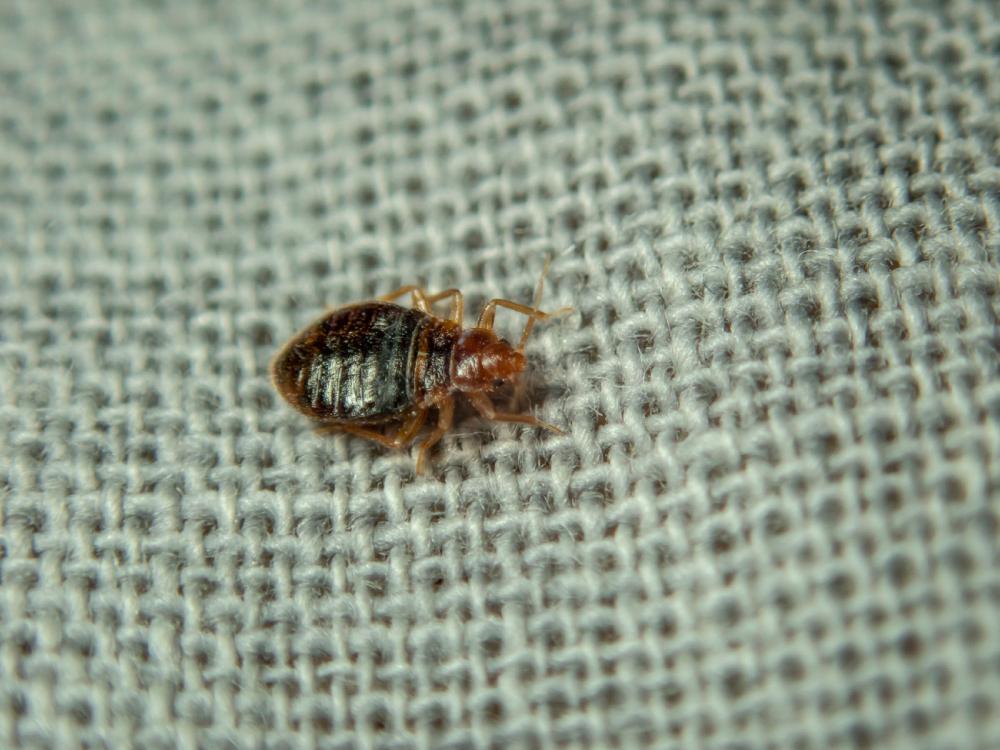
Bed bugs are flat, brown insects that are active at night and feed on human blood while people sleep. During the day, they hide in mattress seams, bed joints, behind baseboards, and in tiny cracks in wood and furniture. They don't remain visible for long periods, emerging only for a few minutes to feed before retreating back into hiding, making them difficult to spot in their early stages. They can also survive for months without food under moderate household conditions, giving them a remarkable ability to persist undetected.
First reason: Travel and living away from home
Travel is one of the most common causes of bed bug infestations. When staying in infested hotels or furnished apartments, the insects may hide inside luggage or in the folds of clothing without the person noticing. After returning home, they move to the bedroom and begin to settle near a food source. Often, signs don't appear immediately; it takes several weeks for bites or other marks to become noticeable.
The second reason: Bringing in used furniture or mattresses
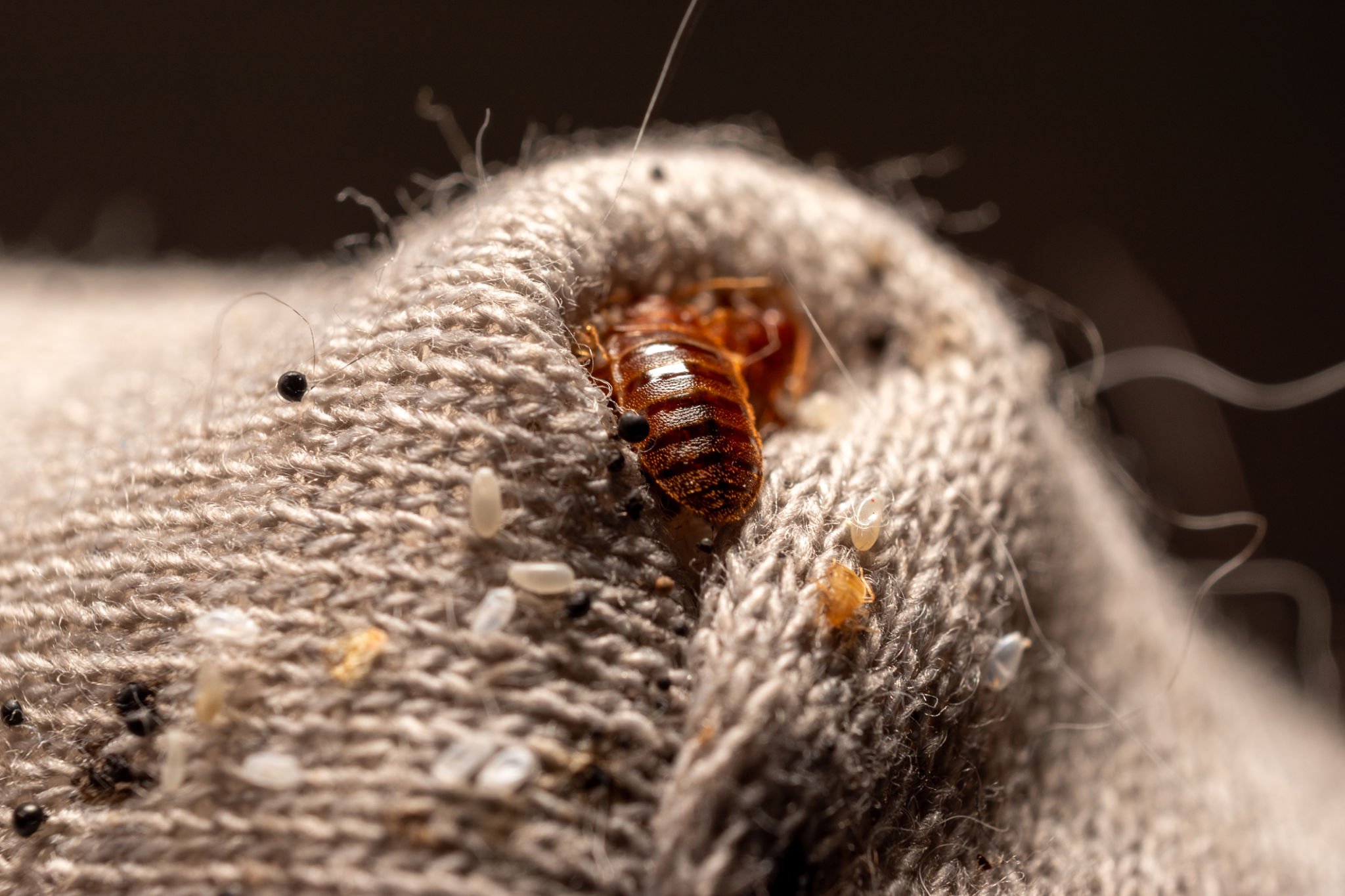
Used furniture, especially mattresses, sofas, and bed bases, is a common source of bed bug infestation. The insects lay their eggs inside tiny cracks and crevices; the eggs are so small and almost transparent that they are difficult to see with the naked eye. When an infested item is brought into the home, the eggs hatch within days, and the young insects then develop and begin their reproductive cycle, gradually leading to an increasing infestation.
The third reason: his move from a neighboring apartment.
In apartment buildings, bed bugs can travel through small gaps between walls or through electrical and air conditioning wiring. If an infestation becomes severe in a particular unit, the insects may seek a new food source in neighboring units. Therefore, an infestation can appear in a home that hasn't seen any movement or new furniture, making it difficult to pinpoint the exact source.
The fourth reason: Storing furniture for long periods
Bed bugs are capable of remaining dormant for extended periods without feeding. When blankets, mattresses, or bedding are stored for a while and then reused, eggs or dormant bugs may already be present. Once a food source becomes available, the insects become active again and begin their life cycle anew, making an infestation seem sudden.
Fifth reason: Rapid reproduction and delay in detection
Bed bugs go through several developmental stages before reaching adulthood, and at each stage they need to feed on blood. Under suitable conditions, their life cycle can be completed in just a few weeks. A female lays a number of eggs daily, and the total number she lays during her lifetime can reach hundreds. Therefore, delaying the detection of the first infestation allows the population to increase rapidly, turning a small problem into a widespread infestation in a short period.
What do bed bugs look like in their early stages?
Adult bed bugs are brown and flat, measuring about 4 to 7 mm in length. After feeding, their color turns dark red and their bodies become more swollen. Young bed bugs are lighter in color and smaller, making them more difficult to spot. The eggs are very small and white, and are often found in tiny cracks or along the edges of mattresses.
How does the infection actually start inside the home?
In most cases, an infestation begins with a single insect or a limited number of eggs. The insect hides near the sleeping area and begins feeding at night, unnoticed by the person. The egg-laying process then begins, and within a short period, the young develop into adult insects capable of reproduction. At this stage, frequent bites begin to appear, and residents may notice small spots on furniture or dark marks indicating their presence.
When does an injury become a major problem?
When bites become frequent, occurring daily, or when insects are seen in broad daylight, this indicates a significant increase in their numbers. At this stage, the infestation is well underway, and prompt intervention is essential to prevent the problem from spreading to other parts of the house.
Frequently asked questions about the causes of bed bug infestations
- Do bed bugs appear in a clean house?
Yes, bed bugs are not related to the level of cleanliness, but only look for a source of blood.
- How long can bed bugs live without food?
It can live from three to six months without feeding, and sometimes longer depending on the temperature.
- Can the bedbugs disappear on their own?
No, bed bugs do not disappear automatically because they continue to feed and reproduce as long as they find a source of blood.
- How do I know if the infection is in its early stages?
Scattered bites, small blood spots on the sheets, or tiny dark dots representing insect excrement may appear before the infestation becomes obvious.
Do bedbugs appear due to poor hygiene?
The appearance of bed bugs is not related to the level of cleanliness; they do not seek dirt or food scraps, but only a source of blood. They can appear in very clean homes as well as in crowded places. The primary factor is the insect's transmission, not the home environment.
Summary
- The sudden appearance of bed bugs in a home is often due to indirect transmission through travel, bringing in used furniture, storing furnishings, or moving from a neighboring apartment. The insects' ability to hide and reproduce rapidly makes the infestation seem sudden, even though it may have been ongoing for some time. Understanding these causes helps in early detection and addressing the problem before it spreads and becomes more complex.