
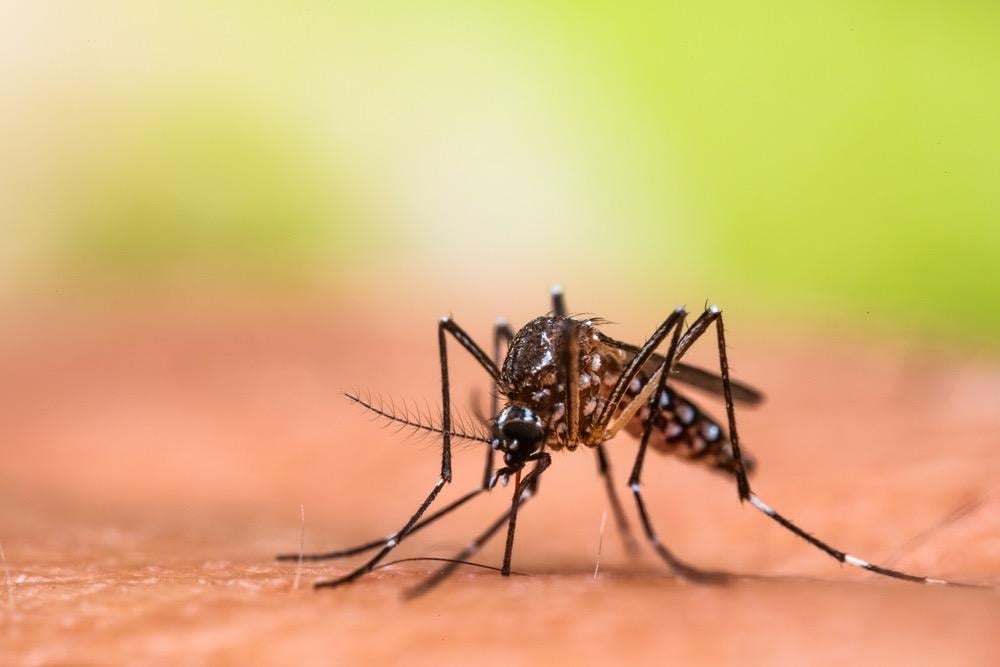

- Mosquitoes are among the most dangerous flying insects, not only because of the annoyance caused by their bites, but also because they are major vectors for many infectious diseases that threaten human and animal health. Their danger lies in their rapid reproduction and their complete reliance on stagnant water for egg-laying, which makes them widespread in homes, gardens, farms, rest areas, and around water tanks. They are also highly active in hot and humid weather, and their bites can cause severe infections and allergic reactions, in addition to stressing animals and reducing their productivity in livestock.
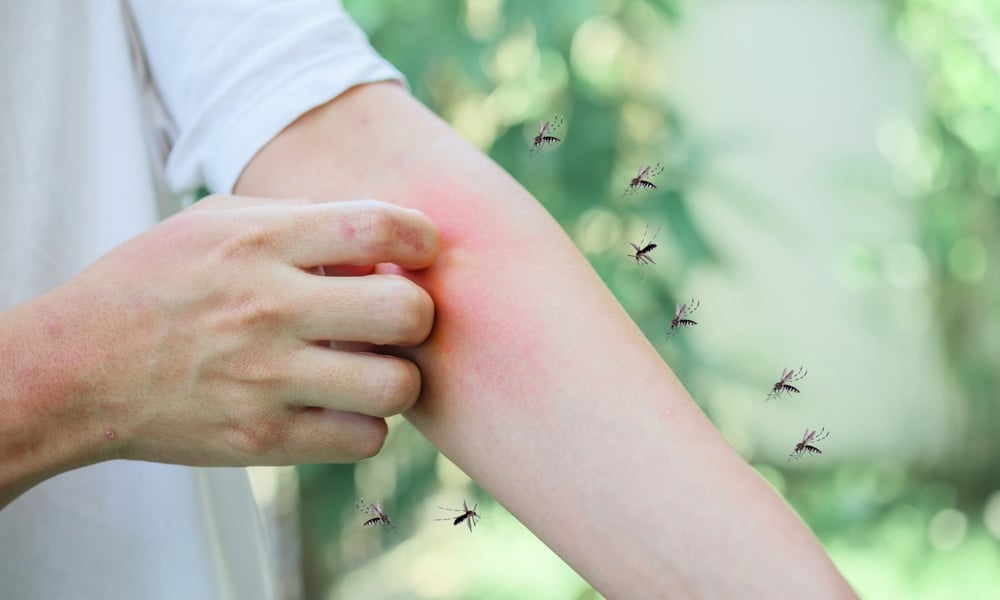
🧪 Why are mosquitoes attracted to humans?
- Mosquitoes are attracted to humans due to several factors combined, most importantly: carbon dioxide from respiration, body heat, the smell of sweat, and certain blood types. Therefore, some people may be bitten more than others in the same place. Mosquitoes are primarily active from after sunset until the early morning hours, and their numbers increase after irrigation, rainfall, near ponds and stagnant water, and in poorly ventilated areas.
🧬 The most common types of mosquitoes
- Anopheles: The main vector for malaria.
- Culex: A vector for West Nile virus and some microbes.
- Aedes: vector for dengue fever, Zika, and chikungunya.
- The degree of risk varies depending on the type and geographical area, but all types are considered troublesome and a health hazard.
🔍 Signs of mosquito presence
- Noticeable flight activity in the evening and at night
- Frequent bites with itching and redness
- annoying ringing during sleep
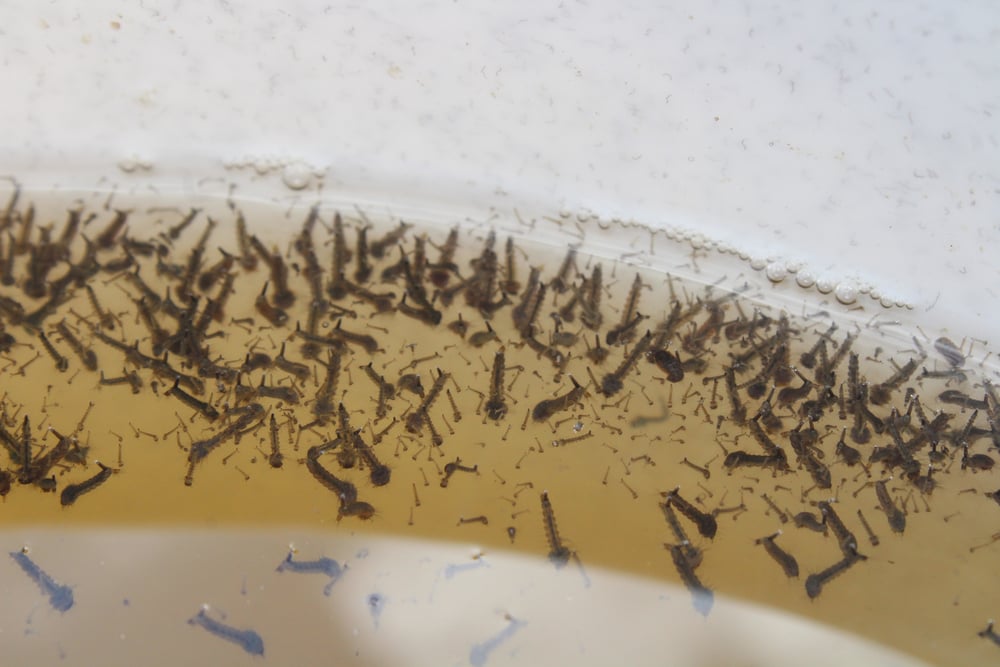
- The presence of motile larvae within stagnant water
- In some cases, the presence of adult mosquitoes is not noticeable, while the actual infestation lies dormant in the larvae within the water.
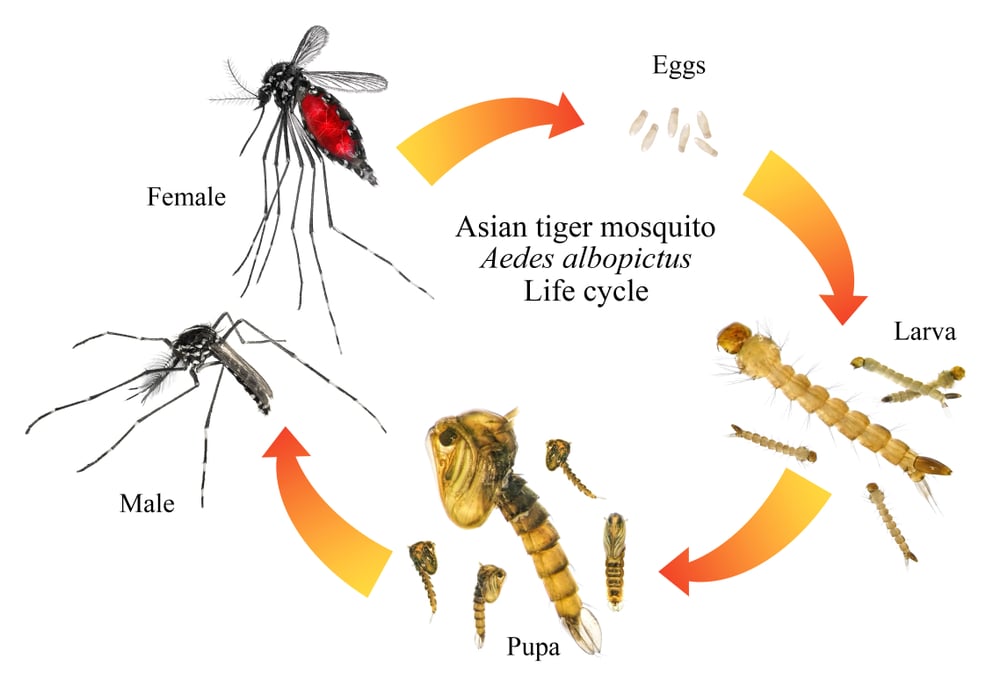
🔄 Mosquito life cycle
- 🥚 Eggs on the surface of the water
- 🐛 A larva inside the water that feeds on organic matter
- 🟤 Virgin in the water
- 🦟 A complete insect that flies, bites, and reproduces
- ⏳ The cycle is completed within 7-14 days in the summer, which explains the rapid and sudden increase in the number of mosquitoes.
💥 Mosquito damage
- Transmission of serious viral and bacterial diseases such as: dengue, malaria, West Nile virus
- Skin infections and severe allergies
- Insomnia and persistent sleep disturbance
- Reduced animal production due to repeated stress
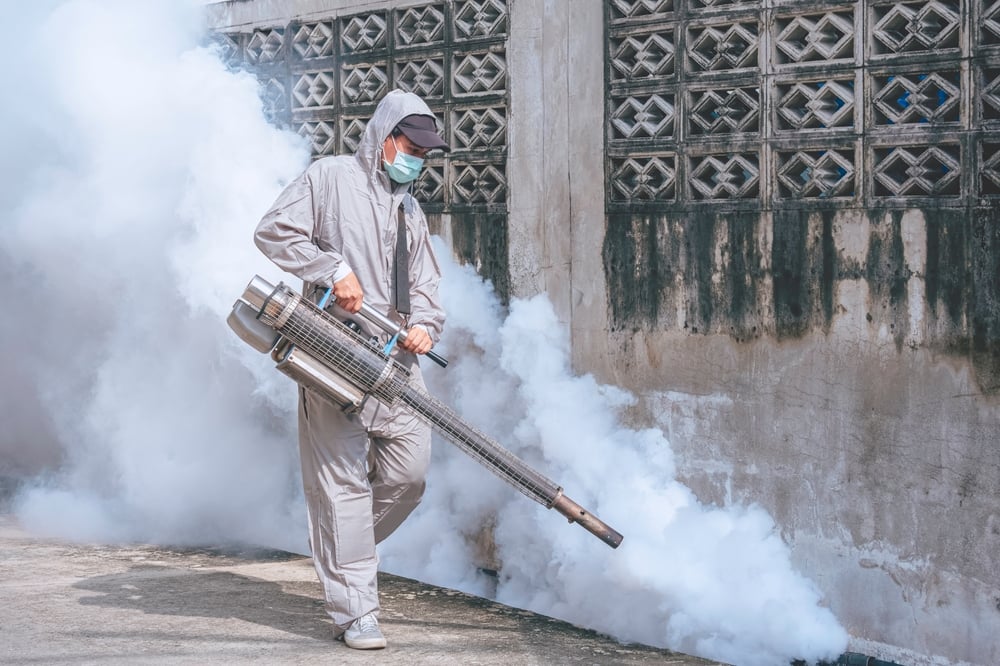
🛠️ Integrated Pest Management Program 🌱 First: Preventive Pest Control
- Remove all sources of stagnant water such as containers, tires, and basins.
- Sealing water tanks
- Improve drainage and change the water in ornamental ponds regularly.
- Using mosquito nets while sleeping
💧 Second: Control of larvae within the water (Larvicides)
- This is the most important stage to prevent the emergence of mosquitoes in the first place, because it breaks the life cycle before the flying mosquitoes emerge.
Suitable active ingredients:
- Temephos: For ponds, drainage basins, and non-potable reservoirs
- Bacillus thuringiensis israelensis (BTI): A safe biological option for drinking water and aquariums, and does not affect humans, animals, or fish.
- Diflubenzuron: A growth regulator that prevents the transformation of the larva into an adult mosquito.
- ⏱️ Frequency: Every 7-10 days in summer or depending on larval density ⚠️ Important: Do not use fogging pesticides in water
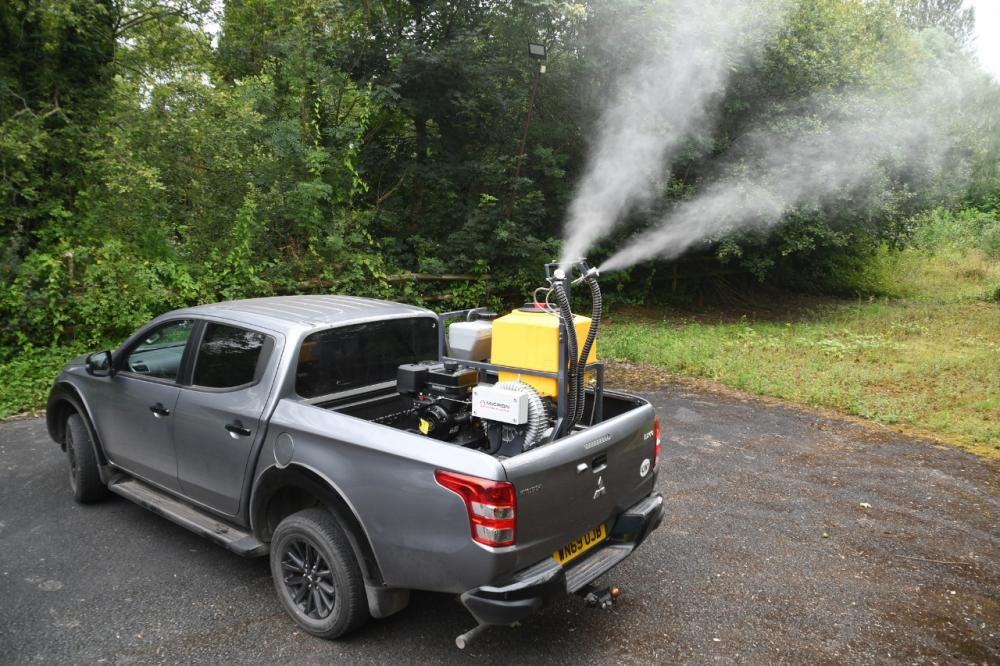
Third : Controlling adult mosquitoes with fogging (ULV)
- It is used when there are high numbers of flying mosquitoes outdoors.
Suitable active ingredients:
- Deltamethrin
- Lambda-cyhalothrin
- Cypermethrin
- Permethrin (for fogging) is suitable for camps, rest areas, parks, and open spaces.
- ⏱️ Frequency: Every 10-14 days depending on the severity of the infection. 🕯️ Best time: Sunset or dawn.
💦 Fourth: Residual Spray
- It is used for walls, shaded areas, and mosquito resting areas.
Suitable active ingredients:
- Deltamethrin
- Lambda-cyhalothrin
- Cypermethrin
- Alpha-cypermethrin – Residual effect lasting several days depending on the type of surface and environment
🧠 When should we use each method?
- ✅ Is there stagnant water? ➜ We start with larvicides immediately.
- ✅ Are there many flying mosquitoes? ➜ We use ULV fogging
- ✅ Are there any settling areas? ➜ We use the remaining spray
- ➡️ The best results are achieved when all three steps are combined.
❌ Common mistakes
- Mosquito fogging alone without water treatment
- Leaving water containers uncovered
- Spraying at midday
- Avoid repeating the treatment during the season
- Repeated treatment without changing the water source only provides temporary results.
⚠️ Health warning
- Neglecting mosquito control can lead to the spread of infectious diseases, increased skin allergies, reduced livestock production, and numerous complaints from residents. Control should be a continuous preventative measure, not a temporary intervention.
🌱 Orchid's Advice
- Always start by breaking the mosquito life cycle with water first, then reinforce that with fogging and residual spraying. Relying on just one step will bring the problem back within a few days.