
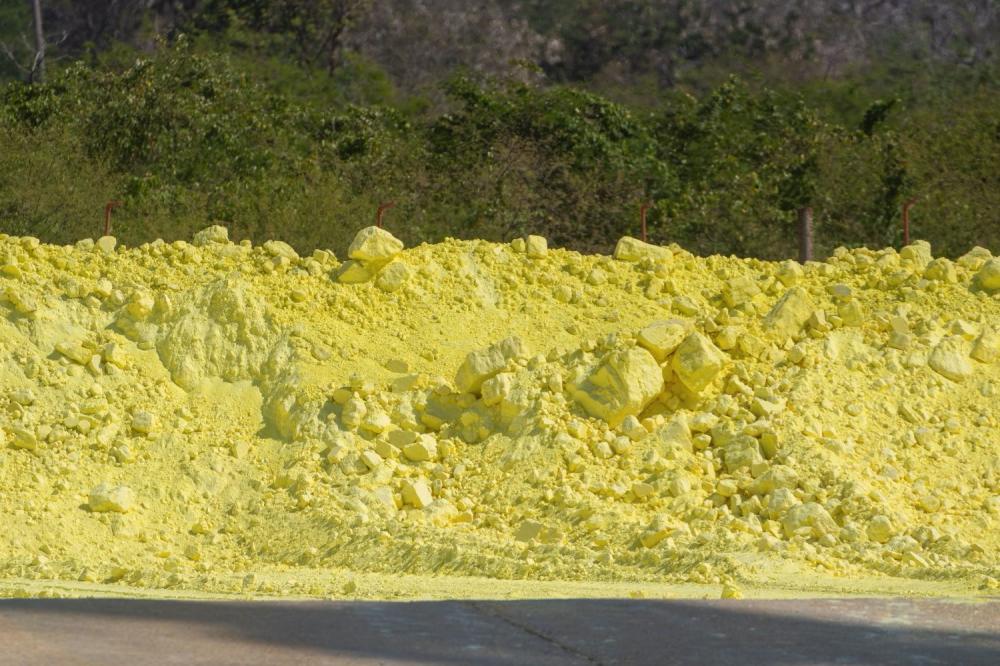

Agricultural sulphur is one of the oldest and cheapest inputs on the farm, and it has two completely different uses: a soil improver for alkaline soil, and a fungicide and miticide against powdery mildew and red spider mite. Many mistakes come from mixing up the two types or using sulphur in hot weather.
This article explains the types of agricultural sulphur, when to use each one, how much to apply and how to avoid burning your plants.
Types of agricultural sulphur
- Granular sulphur: granules added to the soil; soil bacteria break them down slowly and lower soil alkalinity over time.
- Dusting sulphur (powder): a fine powder dusted onto plants against powdery mildew and mites.
- Wettable or suspension micronised sulphur (WG / SC): disperses in water and is sprayed on leaves; the easiest and most accurate to dose.
Benefits of sulphur for soil
- Slowly lowers pH in alkaline soil, which matters in our region because most land is alkaline.
- Improves uptake of iron, zinc and phosphorus: in alkaline soil these nutrients are present but locked, causing yellowing of young leaves. More in our nutrient deficiency and yellow leaves article.
- Supplies sulphur, which plants need to build proteins and oils.
- Helps reclaim sodic soil with irrigation, especially where the soil contains lime.
Sulphur as a fungicide and miticide
- Powdery mildew: one of its strongest uses, especially as prevention. See our powdery mildew article.
- Red spider mite and other mites: repels them and reduces numbers. More in our red spider mite article.
- Date palm dust mite: dusting with sulphur is one of the best-known controls. See our palm dust mite article.
- Rust: helps prevent it on some crops.
Sulphur works by contact, so good coverage is essential, and it does not reach infections inside plant tissue.
How much sulphur to apply
For soil improvement (granular sulphur)
From the granular agricultural sulphur label:
- 25 to 50 kg per feddan, roughly 6 to 12 kg per 1,000 m².
- Mix into the soil 10 to 15 days before planting, followed by a light irrigation.
- As a soil fungicide: 3 to 5 kg per feddan around plants, repeated every 10 to 15 days as needed.
Dusting (sulphur powder)
From the dusting sulphur label:
- Tomatoes, peppers and grapes: 10 kg per 1,000 m² against powdery mildew and mites.
- Date palms: 0.5 kg per palm after fruit set against mites.
- Pre-harvest interval: 3 days for tomatoes and peppers, 7 days for grapes and palms.
Spraying (micronised sulphur)
- Micronised sulphur WG 80%: 2 g per litre of water for powdery mildew, raised to 2.5 g per litre for mites or heavy infection.
- Micronised sulphur SC 80%: 200 to 300 ml per 100 litres of water depending on crop and infection level.
How to use agricultural sulphur safely
- Spray or dust early morning or before sunset: sulphur burns leaves in the heat.
- Avoid very hot days: high temperatures clearly increase the risk of scorch.
- Cover the whole plant: the undersides of leaves matter, especially with mites.
- Test on a small area on sensitive crops before a full spray.
- For soil: mix it well into the soil rather than leaving it on the surface.
Crops that need care with sulphur
From the micronised sulphur label:
- Do not use on apricots and some apple varieties.
- Test first on pears, lemons and walnuts before a full spray.
- Cucurbits (courgette, cucumber, melon) are sensitive to sulphur in the heat, so stick to the rate and the right timing.
Sulphur vs gypsum
- Sulphur: lowers soil pH and frees locked nutrients.
- Gypsum: treats sodium and salinity with little effect on pH.
On land that is both alkaline and saline, both are used based on a soil test. Read more in our agricultural gypsum article.
Common sulphur mistakes
- Spraying at midday or during a heatwave: the most common cause of leaf burn.
- Mixing with, or spraying soon after, mineral oils: causes plant burn, so leave enough time between them.
- Using granular sulphur on leaves: granular sulphur is for soil only.
- Expecting fast results in soil: lowering pH takes weeks to months depending on soil temperature and moisture.
- Relying on it for advanced infections: sulphur is mainly preventive; heavy infections need a systemic fungicide. See our fungicide guide.
Products from Orkida
- Sulfin 800 SC micronised sulphur, 1 L by Astrachem
- Cosavet micronised sulphur, 1 kg by SML
- SAF granular agricultural sulphur, 25 kg
- SAF dusting sulphur, 1 kg
- DiMartino manual sulphur duster, Italy
Agricultural sulphur FAQs
Is agricultural sulphur a fertiliser or a pesticide?
Both. Granular sulphur is used as a soil improver and a source of sulphur, while dusting and micronised sulphur are used as a fungicide and miticide.
Can I use sulphur on date palms?
Yes. Dusting with sulphur is one of the best-known controls for palm dust mite, at 0.5 kg per palm according to the label.
How long does sulphur take to work in soil?
Weeks to months, because soil bacteria convert it gradually; warmth and moisture speed this up.
Why were leaves burnt after spraying sulphur?
Usually the spray was applied in the heat, the rate was too high, or an oil was sprayed close to it.