
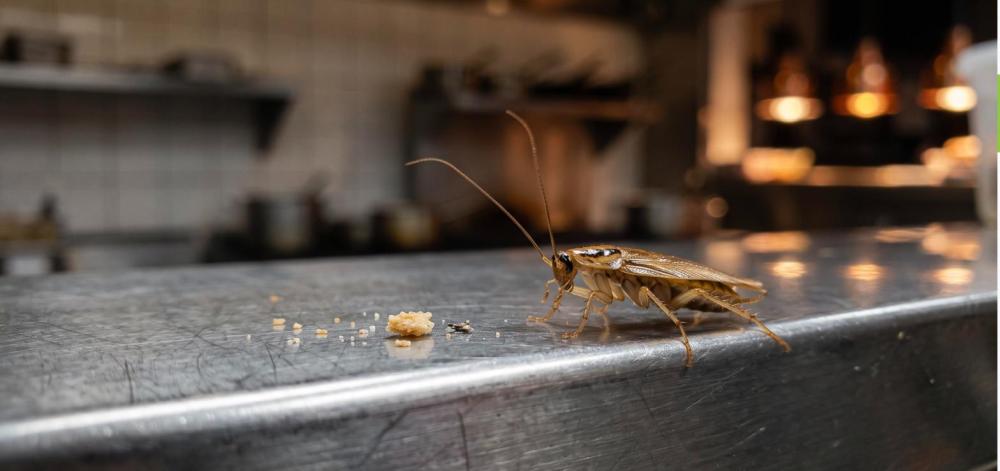

In a restaurant, one cockroach running past a customer can cost you years of reputation. The trouble is that a restaurant kitchen offers pests everything they need: food all day, heat from the ovens, moisture from the sinks, and cartons coming in and out every day.
This article is for the restaurant owner or kitchen manager who wants to run pest control themselves with a clear system: which pests threaten the kitchen, where the risk points are, and a daily, weekly and monthly routine that stops problems before they grow.
- The goal: a kitchen and store free of cockroaches, flies and rodents, with continuous monitoring.
- The main pests: the German cockroach, flies, rodents, and fruit and drain flies.
- The key point: hygiene and proofing before insecticide, and insecticide used the right way in the right place.
- The measuring tool: sticky traps and light traps tell you what is happening before you see it yourself.
- The rule: no insecticide spraying on preparation surfaces or near exposed food.
The most common pests in restaurants
The German cockroach
Small, light brown, with two dark stripes behind the head. It is the number one pest in commercial kitchens because it breeds fast and lives inside the equipment itself: fridge motors, under coffee machines, inside control panels and in the joints of steel tables. Seeing it in daytime means the infestation is large.
The American cockroach
Large and reddish brown, usually coming from sewers, floor drains and bin rooms. It is linked to drains more than to equipment.
House flies and blow flies
They come in through opening doors and gather at bins and the goods-receiving area. The danger is that they move straight from waste to food.
Fruit flies and drain flies
Small insects flying near fruit, juices and organic waste bins, or coming out of floor drains. They point to a nearby breeding source: fermenting fruit residue, or an organic film inside the drain.
Rodents
They get in through gaps under back doors, service openings and false ceilings. Their presence in the store or kitchen is serious because they contaminate food with droppings and urine and gnaw through bags and cables.
Where are the risk points in the kitchen?
Inspect these places in order and make them a fixed part of your rounds:
- Under and behind equipment: fridges, ovens, fryers, ice and coffee machines. Heat and grease attract cockroaches.
- Drains and floor gullies: the main source of drain flies and American cockroaches.
- The dry store: sacks of rice, flour and sugar, and old cartons on the floor.
- The goods-receiving area: incoming cartons can bring in cockroaches or their egg cases.
- The bin room and containers: flies, cockroaches and rodents all start here.
- Back doors and vents: entry points for rodents and flies.
- The false ceiling: a favourite place for rodents and sometimes cockroaches.
The daily routine
At the end of every shift, this routine takes minutes and protects you from the biggest problems:
- Leave no food exposed: everything goes back into sealed containers or the fridge.
- Clean grease: under appliances and around ovens, because it is ready food for cockroaches.
- Empty the bins: close the containers tightly and clean around them.
- Dry sinks and floors: moisture overnight attracts insects.
- Pour water into drains: and cover them if they are not in use.
- Close the back doors: especially at night.
The weekly routine
- Check the sticky traps: count the insects in each trap and record the number. An increase in one spot leads you to the nest.
- Change light trap glue boards: when they are full or dusty, as they lose their attraction.
- Refresh gel dots: where the gel has been eaten, and never put new gel over dried gel.
- Clean drains on the inside: with a brush, to remove the organic film where drain flies breed.
- Tidy the store: lift cartons off the floor and use first in, first out.
The monthly routine
- A full inspection round: behind heavy equipment, inside the false ceiling and around service pipes.
- Seal openings: around pipes and cables and under doors, with silicone or metal mesh.
- Check outdoor bait stations: and replace eaten bait.
- Review the log: compare this month's numbers with last month and see where the problem is growing.
Tools and how to place them
Light traps for flies
- In preparation areas and the dining room: use glue board light traps, because they hold the insect on the board without fragments scattering. Zapper traps suit corridors and stores away from food.
- Placement: near entrances, at about 1.5 to 2 metres high, away from direct sunlight and not above preparation surfaces.
- Not a substitute for doors: an air curtain or window mesh reduces fly entry in the first place.
Gel for cockroaches
- Many small dots: inside cracks, at door hinges, behind appliances and under sinks.
- No spraying over the gel: spraying repels cockroaches and spoils the gel.
- Rotate the active ingredient: every two to three months, so the cockroaches do not adapt to one type.
Sticky traps for monitoring
Place sticky traps under the sinks, behind the fridges and in the corners of the store. They tell you whether the plan is working, and exactly where the nest is.
Rodent bait stations
- Outside the kitchen: around the outside of the building, at back doors and in the bin room.
- Locked and fixed: a locked station protects the bait from children and animals and stops rodents carrying bait elsewhere.
- Inside the kitchen: use sticky or mechanical traps instead of toxic bait, so a rodent does not die inside a wall or ceiling.
The monitoring log
A simple table on paper or in a file is enough:
Example
- Trap location: Under the dishwashing sink
- Pest: German cockroach
- Count: 6
- Action: Fresh gel + cleaning
Example
- Trap location: Light trap by the back door
- Pest: Flies
- Count: 30
- Action: Board changed + bins checked
The value of the log is that it shows you the trend: whether numbers are falling or rising, and where.
Products from Orkida
- Advion Cockroach Gel from Syngenta: indoxacarb, passed to the nest, suited to equipment and cracks in the kitchen.
- Maxforce Forte Gel from Envu (formerly Bayer): fipronil, for rotating with the first gel every two to three months.
- Catchmaster sticky trap (USA): for weekly monitoring under sinks and behind equipment, and catches small rodents inside the kitchen.
- ProCatch glue board light trap: for preparation areas and the dining room, holds flies on a glue board without scattering.
- ProCatch fan suction light trap: pulls in small flying insects such as fruit flies and mosquitoes, suited to stores and corridors.
- ProCatch rodent bait station: for the outside perimeter and the bin room, locked and safe.
Frequently asked questions
Can I spray insecticide in the kitchen after closing?
General spraying in a kitchen is not the answer, because insecticide can reach preparation surfaces and utensils and push cockroaches into deeper hiding places. Targeted treatment with gel and traps suits kitchens better.
How many light traps does a restaurant need?
It depends on the area and the number of entrances. As a start: one trap at each main entrance, one in the preparation area and one in the store.
Why are cockroaches increasing even though I use gel?
Usually because of competing food, spraying over the gel or old gel. Clean the grease, stop spraying, refresh the dots and monitor with traps for two weeks.
What should I do with cartons from suppliers?
Inspect them in the receiving area, move the contents into containers or kitchen shelves, and do not bring the cartons into the store or kitchen to stay.
Read also
- German Cockroaches: The Kitchen Pest and How to Control It
- Insect Light Traps: Glue Board vs Zapper vs Suction Fan, and Which One to Choose
- Getting Rid of Rats and Mice: A Plan with Bait Stations, Traps and Sealed Entry Points
- Air Curtains: Do They Keep Flies Out, and How to Choose the Right Size for Your Door