

The Short Answer
After treating a home with a pesticide, many people make one of two opposite mistakes: leaving everything uncleaned for fear of losing the effect, or wiping every surface right away so the product is removed before it works. The right approach is in the middle. Wait the period written on the product label, then clean only what children touch and what contacts food, and leave the treated cracks, edges and corners as they are so the product can do its job. Here we explain what to wipe and what to leave, step-by-step cleaning, how to handle floors, dishes and linens, and when to return to your normal routine.
Why Not Wipe Everything?
The residual left on surfaces is what kills pests that cross it days later. If you mop floors and edges right after spraying, you remove the residual before it works, pests return soon, and it looks like the product failed.
What to Clean After Treatment
- Dining tables and kitchen counters where food is placed.
- Children play areas and rugs where they sit.
- Door and drawer handles and other high-touch points.
- Dishes and utensils that stayed uncovered during spraying.
- Pet feeding spots and bowls.
What to Leave Alone
- Cracks and joints between tiles and walls.
- Wall bases, behind furniture and under appliances.
- Gel and bait spots; do not wipe or remove them.
- Treated door and window thresholds.
Step-by-Step Cleaning
- Wait the time on the label and open windows to refresh the air.
- Put on gloves before touching treated surfaces.
- Use a lightly damp cloth, not a soaking one.
- Wipe only the needed areas, from top to bottom.
- Wash the cloth and gloves well afterwards.
Mopping Floors
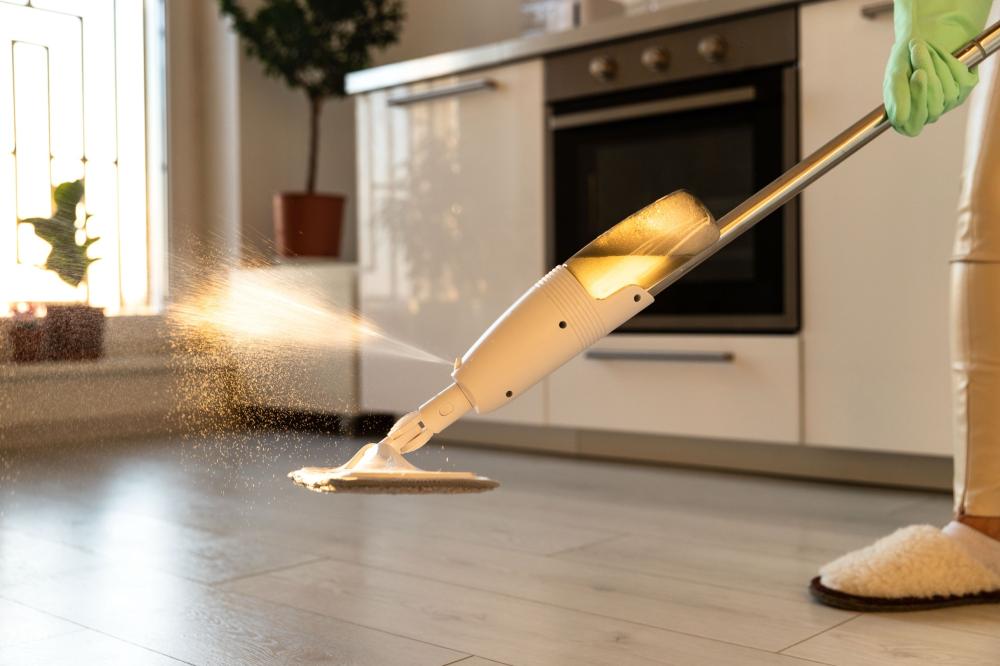
Marble and ceramic floors are common and are usually mopped with water and cleaner. After treatment mop the middle of rooms and walking paths, avoid wall bases and the edges of furniture, and avoid large amounts of water that could flow into treated cracks.
Dishes and Food
Lift or cover them before spraying. If anything stayed exposed, wash it before use and discard exposed food you doubt.
Curtains, Bedding and Rugs
If they were not sprayed directly, there is no need to wash them. If mist reached them, wash according to fabric care after the waiting time and air them out before reuse.
When to Return to Normal Cleaning
After the residual period on the label has passed you can return to your normal routine, still keeping repeated heavy washing of treated cracks and edges to a minimum.
Common Mistakes After Spraying
- Wiping edges and cracks right after spraying.
- Flooding the floor so water reaches the cracks.
- Mixing strong cleaners over treated surfaces.
- Neglecting surfaces that touch food and children.
Cleaning by Surface Type
Marble and ceramic tolerate wiping with a slightly damp cloth, and a mild cleaner is enough for everyday-use areas. Wooden floors and parquet are best wiped lightly without flooding so water does not seep into joints. On treated wooden items such as doors and sofas, avoid harsh agents that may damage the finish and remove the residue with it. The general rule: wipe what people touch, and leave the crack and joint nobody touches.
The Kitchen and Food Preparation Areas
The kitchen needs special care. Remove dishes and food before treatment where possible, and after the waiting period wash preparation surfaces and shelves where you place dishes with your usual water and cleaner. Leave the gaps behind the fridge, under the sink and around appliances unwiped, because these are cockroach pathways where the product works.
Homes with Children or Pets
Children crawl and put their hands in their mouths, so wipe their play-area floor and sitting spots after the required period and keep them away from treated areas. Pet food and water bowls should likewise be washed and returned once dry. Always follow the label instructions and the stated re-entry period. To know when to return home, read our guide on when you can return after spraying, and for how long the effect lasts, read when an insecticide stops working.
How Do You Know Cleaning Weakened the Effect?
If insects return a few days after treatment, review what you wiped. The cause is usually washing the edges, removing the gel, or using a strong cleaner over the treated surface. Re-treat only the spots where the residue was removed, not the whole home, and do not wipe them this time.
Products from Orkida
- K-Othrine DP 0.05 — An Envu dust for dry cracks and voids; its residual stays in place without wiping floors.
- Advion Gel — A Syngenta roach gel in small spots that cleaning around it does not disturb.
FAQ
Can I mop the same day?
Not before the label waiting time; after that, wipe only the needed areas with a lightly damp cloth.
Should I remove gel placed in cracks when cleaning?
No, leave it, because it works as long as it is there.
Should I wash children clothes and bedding?
Not if no mist reached them; if in doubt, wash per fabric care.
How often should I clean afterwards?
As usual once the period ends, with less heavy washing of treated cracks and edges.
Summary
Clean what food and children touch, leave cracks, edges and gel, and wait for the label time before wiping. That keeps the residual working and the home clean and safe.