
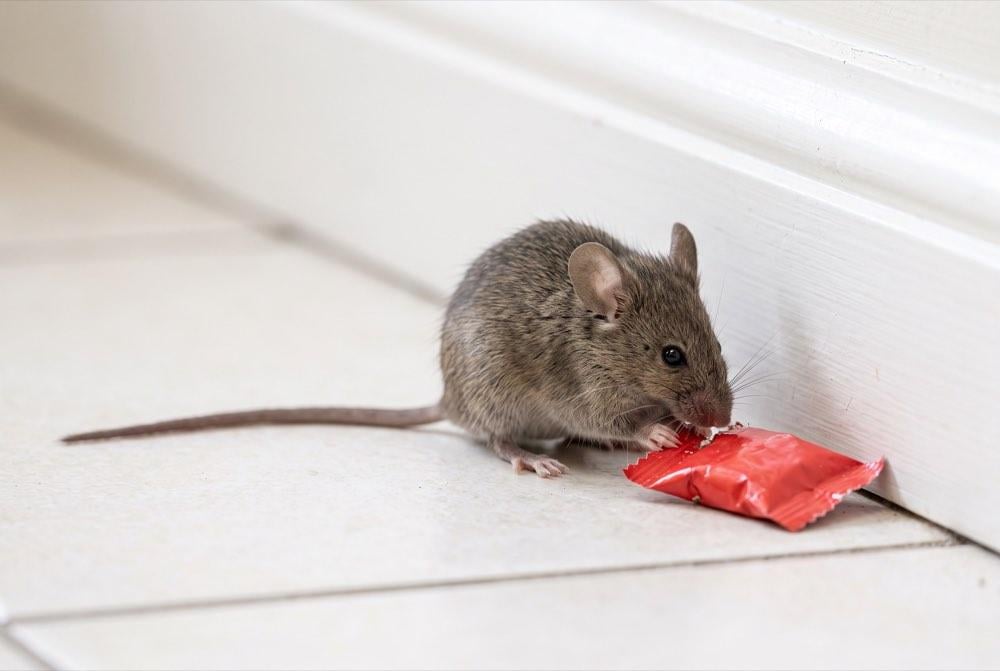

What is difenacoum? An active ingredient in rodent baits, a second-generation anticoagulant. It works the same way as brodifacoum but is slightly milder: one feed is enough for a mouse, while a large rat may need more than one feed. Death follows 3 to 7 days later.
How does it work?
It blocks vitamin K recycling in the rodent's liver, so the blood loses its ability to clot.
- First two days: the rodent feeds and moves normally.
- After that: internal bleeding begins and it becomes sluggish.
- Day 3 to 7: it dies, usually in its nest.
The delay keeps the other rodents feeding without becoming wary of the bait.
Where does it sit among rodent baits?
Generation
- First generation: First
- Difenacoum: Second
- Brodifacoum: Second
Feeds
- First generation: Several days in a row
- Difenacoum: One for mice, sometimes more for rats
- Brodifacoum: One feed
Potency
- First generation: Mildest
- Difenacoum: Middle
- Brodifacoum: Strongest
Persistence in the rodent
- First generation: Short
- Difenacoum: Medium
- Brodifacoum: Long
So it is the middle option: stronger than first generation, gentler than brodifacoum.
When to choose it
- House mice: more than enough.
- An ordinary infestation, not a severe one.
- Places with pets or birds where you want to keep risk as low as possible.
- Ongoing programmes in a warehouse or shop, not a one-off hit.
When is it not enough? When rats are large and numerous, or bait has been eaten for two weeks with no drop in activity. Then switch to a stronger active.
Bait forms
- Soft bait (paste sachets): the most attractive; suits kitchens and stores with competing food.
- Wax blocks: for damp areas, yards and sewers.
- Wheat grain: for dry places and large areas.
Many of these baits contain a bittering agent that makes a person spit it out if tasted by accident, while rodents do not notice it.
How to use it properly
- Inside a locked bait station.
- On rodent runs: along walls, behind appliances, near entry holes.
- Do not open the soft bait sachet; the rodent gnaws through it.
- Amount and spacing as the label says.
- Refill promptly: a rat needs to find bait each time it returns.
- Continue until feeding stops.
- Collect dead rodents and leftovers when finished.
Safety
- The risk to cats and dogs is real if they eat the bait or a poisoned rodent, even if lower than with brodifacoum.
- A locked station solves most of the problem.
- If swallowed by accident: go to a hospital or vet immediately with the pack. Treatment is vitamin K1 under medical supervision.
Products from Orkida
- Rouban soft bait
- Bonirat soft bait
- ProBlock blocks
- Brigand D soft bait
- Bonirat wheat grain bait
- ProCatch bait station
Difenacoum FAQs
How long until the rodent dies?
3 to 7 days after it has eaten enough.
The bait is being eaten but rodents remain. Why?
Usually there are more rodents than bait points, or new ones keep entering. Add stations and seal entry holes. If it continues for two weeks, change the active.
Is soft bait better than blocks?
In dry places with food around, yes. In damp areas and outdoors, blocks hold up better.