
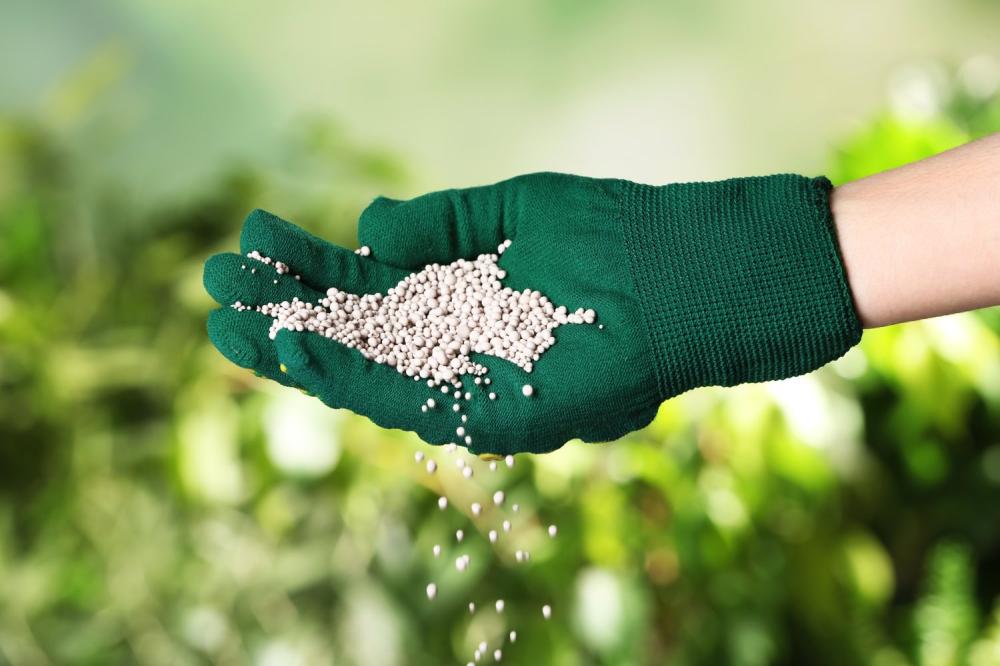

Potassium sulphate and calcium nitrate are two of the most important fertilisers during flowering, fruit set and fruit development. The first drives fruit size, flavour and colour, while the second is responsible for firmness and preventing cracking and blossom end rot. The biggest mistake growers make is mixing them in the same tank.
This article explains the benefits of each fertiliser, when to use them, how much to apply and how to run both in one programme without precipitation.
What is potassium sulphate?
Potassium sulphate (SOP) has an analysis of roughly 0-0-50: 50% potassium with about 18% sulphur, and no nitrogen or phosphorus.
Benefits of potassium sulphate
- Increases fruit size and improves filling.
- Raises sugars and improves flavour and colour.
- Strengthens plants against drought, heat and salinity.
- Chloride-free: suits sensitive crops such as tomatoes, strawberries, citrus and greenhouse crops better than potassium chloride.
- Contains sulphur, which helps nutrient uptake, especially in alkaline soil.
Types of potassium sulphate
- Granular: applied to the soil by broadcasting or banding.
- Fully soluble (crystals or powder): for drip irrigation and foliar spraying.
What is calcium nitrate?
Calcium nitrate combines calcium with fast-acting nitrate nitrogen. It is available as a solid or as a ready-to-inject liquid.
Benefits of calcium nitrate
- Prevents blossom end rot in tomatoes and peppers, the best-known sign of calcium deficiency.
- Reduces fruit cracking and improves firmness and storage life.
- Strengthens cell walls and roots.
- Helps in saline soil: calcium reduces sodium damage around the roots.
- Supplies fast nitrogen without acidifying the soil like ammonium fertilisers.
Symptoms of calcium and other nutrient deficiencies are covered in our nutrient deficiency and yellow leaves article.
Why not mix potassium sulphate with calcium nitrate?
When calcium and sulphate meet in the same water they form gypsum (calcium sulphate), which dissolves poorly, causing:
- Precipitation in the tank and blocked emitters and filters.
- Loss of both nutrients: neither potassium nor calcium reaches the plant properly.
The product labels themselves state that potassium sulphate should not be mixed with calcium compounds, and calcium nitrate should not be mixed with phosphate or sulphate fertilisers.
The solution
- Two separate tanks (tank A for calcium, tank B for potassium and phosphorus) if you have a fertigation system.
- Or alternate them: one irrigation with calcium nitrate, the next with potassium sulphate.
- For foliar feeding: spray each one separately.
When to use each fertiliser
- Calcium Boron Fertiliser
- Calcium nitrate: from early fruit set and during fruit growth, because calcium enters the fruit in its early stages, and during hot spells, which reduce calcium movement to the fruit.
- Potassium sulphate: from flowering and fruit set through fruit filling and colouring, increasing the rate towards ripening.
How much potassium sulphate to apply
Granular (soil)
From the granular potassium sulphate label:
- Field crops and vegetables: 5 to 10 kg per 1,000 m², split into two or more applications.
- Fruit trees: 0.5 to 1.5 kg per tree depending on age and size, before or during flowering and fruit formation.
- Greenhouses: 3 to 5 kg per 1,000 m² in frequent small applications.
Irrigate straight after application.
Soluble (foliar spray)
From the soluble potassium sulphate label:
- Young plants and young trees: 0.5% (5 g per litre).
- Dense crops and mature trees: 1% to 3%.
- Repeat 3 to 4 times per season, spraying in the morning or evening.
How much calcium nitrate to apply
From the liquid calcium nitrate label (calcium 25%, nitrogen 15%):
- 7 to 10 litres per hectare weekly, roughly 0.7 to 1 litre per 1,000 m² each week in the irrigation water.
- Use it regularly as part of the fertiliser programme, and more when calcium deficiency symptoms appear.
Common mistakes
- Mixing the two in one tank: the most common cause of blocked systems.
- Mixing calcium nitrate with phosphate fertilisers: the same problem, with calcium phosphate precipitation.
- Waiting for blossom end rot to appear: calcium is preventive, and affected fruit does not recover.
- Irregular irrigation: calcium moves with water, and intermittent drought causes deficiency even in calcium-rich soil.
- Excessive potassium: competes with calcium and magnesium for uptake.
Products from Orkida
- Ultrasol SOP soluble potassium sulphate 0-0-51 by SQM, 25 kg
- KALI SOP granular potassium sulphate 0-0-50 by K+S, Germany, 25 kg
- Codacal-L liquid calcium by Coda, 5 L
- ADOB Calcium liquid calcium nitrate by ADOB, 20 L
- SAF 0-0-50 soluble potassium sulphate, 1 kg
FAQs
Is potassium sulphate good for date palms?
Yes. Potassium is one of the most important nutrients for palms during fruit development, applied to the soil with irrigation according to the palm's age.
What is the difference between potassium sulphate and potassium nitrate?
Potassium sulphate contains sulphur and no nitrogen, while potassium nitrate supplies nitrogen with potassium, so it suits the growth stage more, while sulphate suits ripening.
Can I spray calcium nitrate on leaves?
Yes, at a low concentration; it reaches young fruit directly, but never spray it with a fertiliser containing phosphorus or sulphate.
How do I know a plant needs calcium?
The best-known signs are black rot at the end of tomato or pepper fruit and scorched tips on young leaves in lettuce and cabbage.