

The Short Answer
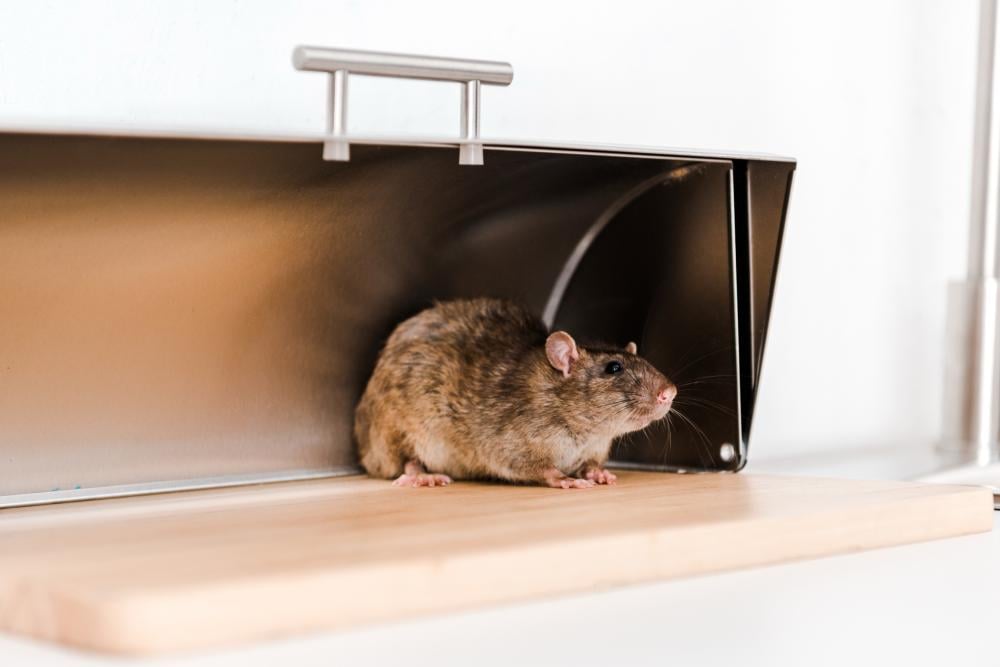
A mouse hears the door and runs, but it does not leave your home. As long as there are bread crumbs, a water dish and a warm space behind the fridge or above a false ceiling, it considers it home and waits for you to delay so it can breed. Each week you postpone means a new generation, chewed wires and contaminated food. The solution is not waiting for it to leave or relying on a cat or ultrasonic devices, but a four-step plan: seal entry points, cut food and water, place bait stations and traps on its routes, and monitor. In this guide we explain why rodents do not leave on their own, how to know they are present, where they hide in our homes, and how to treat them step by step.
Why Do They Stay?
- Food: crumbs, open grains, pet food and trash bags.
- Water: leaking pipes, water dishes and damp near kitchens and bathrooms.
- Shelter: false ceilings, gaps behind appliances, crowded roofs and cluttered storerooms.
- Safety: a quiet undisturbed home is an ideal nesting place.
How Do You Know You Have Rats?
- Small dark droppings near walls, kitchens and behind appliances.
- Gnaw marks on food bags, wood and cables.
- Scratching or running sounds at night in ceilings or walls.
- A musty smell in closed rooms and storerooms.
- Greasy rub marks on walls along their regular path.
Where Do They Hide?
Kitchens, behind fridges and ovens, false ceilings, stairwells, storerooms, roofs and gaps around AC and drain pipes. Rats travel along walls and edges, not across the middle of a room, so place traps and stations along those edges.
Steps to Fix It
- Close entries: check gaps around pipes and doors and seal them with material rats cannot chew.
- Remove food: keep grains in closed containers, take trash out daily and do not leave pet food overnight.
- Place bait stations: on edges, in corners and along movement paths.
- Add glue traps: in narrow passages to monitor activity and catch what passes.
- Check every few days: replace used items and find new entries.
Bait Station or Glue Trap?
- Closed station: the better choice in homes with children or pets, since bait sits in a locked box.
- Glue trap: useful for monitoring and tight spots, but placed away from children and pets.
What Does Not Solve It
- Strong smells such as mint; they repel for a few days then fade.
- Ultrasonic devices alone; rats get used to them.
- A cat alone; it is not enough for an infested home.
The Risk of Waiting
Rats carry disease and contaminate food, and they gnaw electrical wires, raising the risk of faults and fires, and they ruin storage and furniture. Each day of delay means a bigger infestation and a higher cost.
Common Mistakes
- Placing traps in the middle of the room instead of the edges.
- Leaving food exposed alongside the bait.
- Not sealing entries after control, so they return.
- Putting bait where children or pets can reach it.
How Do Rodents Enter the Home in the First Place?
A mouse enters through a gap the size of a small coin, so a closed door does not stop it if there is a gap beneath. Common entries include openings around drain and AC pipes, gaps at external doors, ventilation openings, and false ceilings connected to a neighboring storeroom. Inspect the home from outside once for these gaps and seal them with hard materials that cannot be gnawed, such as steel wool or cement, not cloth or sponge.
Rodent Types in Homes
The house mouse is small and lives inside rooms and kitchens, the roof rat climbs and lives in ceilings and rooftops, and the Norway rat is larger and burrows near drains and the ground. Knowing the type decides placement: the roof rat needs stations higher up, the Norway rat near the ground and sewers. To identify types, read the rodent articles in the pest library.
How to Track Results
Use droppings and signs as your gauge. Watch the number of new droppings near walls every few days and note any new activity. If activity falls gradually you are on track; if it stays the same, review station placement and seal new entry points. Disappearing signs and silent nights are good indicators; do not stop until two weeks after the last sign.
Prevention After Eliminating Them
Rodents return if their cause remains. Keep food in sealed containers, take out garbage daily, fix water leaks, arrange storerooms so you can see behind items, and inspect entries every season. These habits are far cheaper than re-treatment.
Products from Orkida
- ProCatch Bullet bait station — An Orkida tamper-resistant bait station placed on rodent runs, keeping bait away from children and pets.
- Economy home rodent package — A ready Orkida package with what a rodent-affected home needs, at a lower cost.
- Force Catch XS glue trap — A glue trap placed along walls to catch small rodents and crawling insects.
FAQ
How long until they are gone?
A difference shows within days, but ending an infestation takes weeks of follow-up and sealing entries.
Are stations safe around children?
Closed stations protect children and pets from the bait, provided they are fixed and kept locked.
Is a cat enough?
No. Cut food and entry points first.
Where do I place a station?
Along walls and runs, near where droppings appear.
Summary
Rats do not leave on their own. Close entries, remove food, place stations and traps, and follow up. The earlier you start the smaller the problem and the cost.
Read next
- Where to buy a genuine household insecticide
- How to clean the house after pest control
- Why are cockroaches suddenly everywhere?
- Mice and rodents | The most dangerous pests of homes and farms and effective control methods
- The House Mouse: Signs and How to Get Rid of It
- Getting Rid of Rats and Mice: A Plan with Bait Stations, Traps and Sealed Entry Points