
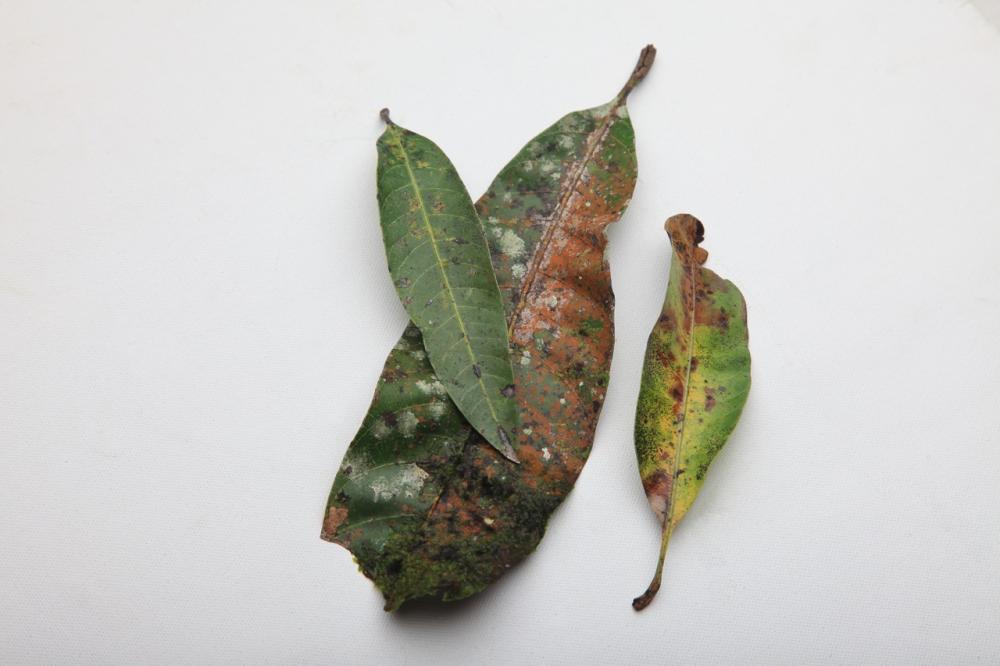

You wake to a vineyard or cucumber house with pale yellow spots on upper leaves, and if you turn a leaf in the morning you find grey-violet fuzz underneath. This is downy mildew, one of the fastest-spreading diseases when high humidity and mild temperatures meet, and the biggest confusion is with powdery mildew, so growers use a product that does not suit the disease. The cause belongs to the oomycetes, so not every general fungicide works. In this guide we explain how to diagnose it precisely, which conditions spread it, and how to set a programme combining ventilation, correct irrigation, early preventive spraying and rotation between fungicide groups.
This disease does not harm the leaves alone. It weakens the plant’s ability to photosynthesize, causes early leaf drop and lower yield, and sometimes destroys the whole crop if preventive and curative measures are not taken in time.
Disease: A fungal disease that affects grapes, cucumbers, and cucurbits and thrives in high humidity and mild weather.
Sign: Yellow patches on the upper leaf surface, matched by a grayish-purple downy growth on the underside.
Spread: Spores spread through air, dew, and splashing irrigation water, and the disease increases with dense planting and poor ventilation.
Damage: Leaves dry out and drop, growth weakens, and fruit quality and quantity decline.
Rule: Reducing humidity, improving ventilation, and spraying preventively and early is better than waiting for the disease to spread.
Symptoms of Infestation
- Pale yellow patches on the leaves that later turn into dry brown patches.
- Clear white or gray downy growth on the underside of leaves, especially in the early morning.
- In grapes: early drop of leaves and small clusters, with weak growth.
- In onions: watery spots that quickly turn into dry, dead areas.
- In cucumbers and zucchini: dry leaves and smaller, lower-quality fruit.
Most Affected Crops
- Grapes.
- Onion and garlic.
- Cucumber and zucchini.
- Sunflower.
- Ornamental plants.
Life Cycle of the Fungus
- The fungus spends the winter in plant residues or soil as spores and resting structures.
- When humidity is high and temperatures are moderate (15–25°C), the spores begin to germinate and cause the primary infection.
- The infection spreads quickly by wind, rain, and sprinkler irrigation.
- The infection cycle can repeat several times during the growing season, which multiplies the danger of the disease.
Economic Damage
- Large direct crop losses in cases of severe infection.
- Lower fruit quality and reduced suitability for marketing and storage.
- Early leaf drop interferes with photosynthesis.
- Higher production costs because of the need for repeated preventive and curative spraying.
Prevention Methods
- Remove infected plant residues and burn them after harvest.
- Avoid sprinkler irrigation where possible to reduce leaf wetness.
- Improve ventilation between plants, especially in greenhouses.
- Follow a crop rotation and do not plant the same crop in the same soil for consecutive years.
- Inspect plants regularly to detect infection early.
Active Ingredients for Downy Mildew Control
- Mancozeb.
- Copper oxychloride.
- Azoxystrobin.
- Metalaxyl.
- Fosetyl-aluminium.
- Start spraying when the first symptoms appear, and repeat according to the interval written on the label and according to the severity of infection and weather conditions.
Practical Tips for Farmers
- Do not wait for the disease to break out. Start control as soon as the first symptoms appear.
- Focus your spray on the underside of the leaves, because it is the center of infection.
- Rotate between different active ingredients to reduce the chance of resistance.
- Integrated control (preventive plus chemical) gives the best results in protecting the crop.
What Conditions Help Downy Mildew Spread?
- High humidity, heavy dew, and water staying on leaf surfaces for many hours.
- Mild, cool weather with fog or light rain.
- Dense planting and poor ventilation inside greenhouses or between rows.
- Evening sprinkler irrigation, because it keeps leaves wet all night.
- Infected residues from the previous season remaining in the field.
The Difference Between Downy Mildew and Powdery Mildew
Many farmers confuse the two diseases, but the treatment differs. In downy mildew, pale or yellow patches appear on the upper leaf surface, with a grayish-purple fuzz beneath them in humid weather. Powdery mildew, on the other hand, appears as a white powder on the upper surface and does not need wet leaves to spread. A correct diagnosis before spraying saves you from using a pesticide that does not suit the disease.
Suggested Preventive Program
- Choose resistant or tolerant varieties when available.
- Improve ventilation by pruning and reducing planting density.
- Irrigate in the morning and avoid leaving leaves wet at night.
- Apply a preventive spray with a suitable fungicide when conditions that favor the disease are expected and before severe symptoms appear.
- Rotate between different fungicide groups and do not repeat the same active ingredient in every spray.
- Remove infected leaves and plants and destroy them outside the field.
Common Mistakes in Downy Mildew Control
- Confusing it with powdery mildew, when the suitable fungicide differs for each.
- Waiting until severe symptoms appear on the leaves before starting treatment.
- Evening sprinkler irrigation and delaying ventilation in the morning.
- Repeating the same group of fungicides without rotation.
- Leaving infected leaves and residues in the field.
Global-Brand Fungicides for Oomycetes
Downy mildew is caused by an organism from the oomycete group, and these are systemic fungicides from Syngenta and Bayer available in the store:
- Uniform 446 SE by Syngenta: A systemic preventive and curative fungicide, 250 ml pack.
- Previcur Energy by Bayer: A systemic fungicide for oomycetes and root rots, 1 liter pack.
You can find all the options in the Downy Mildew Fungicides category. Start preventive spraying when humidity is high and before the disease spreads, and follow the pre-harvest interval written on the label.
Precise Diagnosis Before Spraying
Pick a leaf with an early yellow spot in the morning and check its underside: grey-violet fuzz confirms downy mildew, while a white powder on the upper face suggests powdery mildew. Place the leaf in a sealed damp bag overnight; if fuzz appears in the morning it is downy mildew. This difference decides which product you buy.
Protection Timing Through the Season
The most important protection periods are after light rain and fog and on days when leaves stay wet for long hours. Start preventive spraying before these conditions occur, repeat per the label interval and weather forecasts, and rotate between fungicide groups. If you have a photo of the infestation, visit one of our branches and we will guide you to the right product for your crop.
Frequently Asked Questions About Downy Mildew
Is downy mildew a true fungus?
In practice it is treated as a fungus, but scientifically it belongs to the oomycete group, so not every general fungicide works against it, and it needs fungicides designed for this group.
Can a leaf be treated after it is infected?
Damaged tissue does not recover, but early treatment stops the spread and protects healthy leaves and fruit.
When is spraying most effective?
Before the disease appears or at the first symptoms, in the early morning or before sunset, with coverage of the underside of the leaves.
Does the disease carry over from one season to the next?
Yes. The spores may remain in infected plant residues, in the soil, or on tools, so it is advisable to dispose of residues and disinfect tools.