
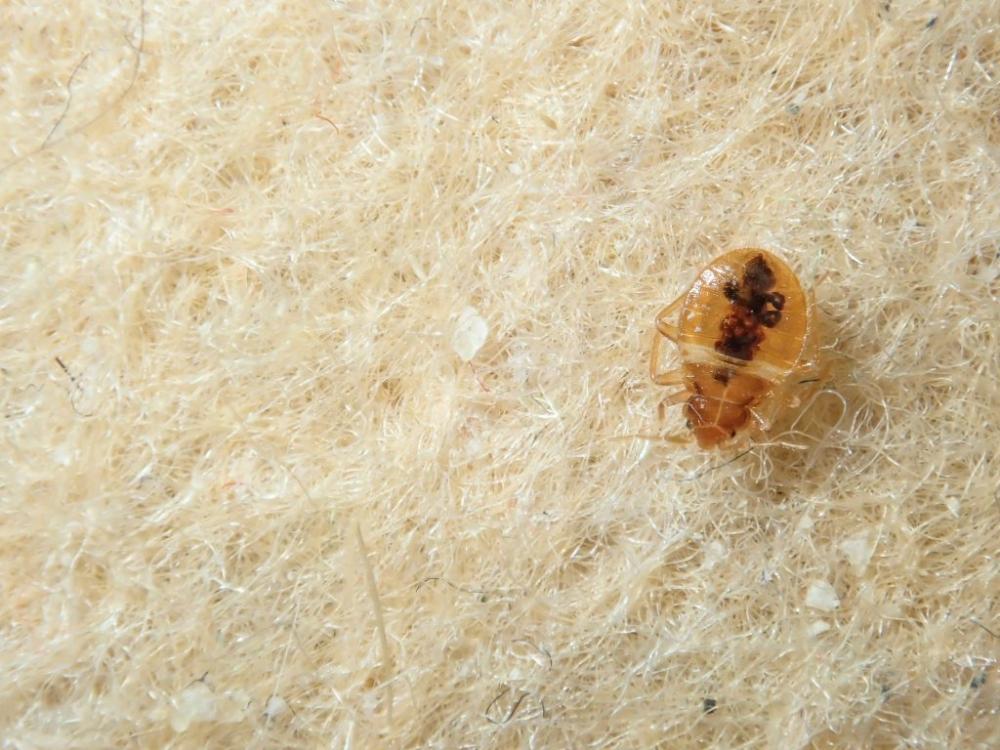

Bed bugs are small, flat insects that can easily hide in tight spaces, especially near sleeping areas such as mattresses, bed frames, sofas, and cracks in furniture. They feed on blood and are often difficult to detect in the early stages of an infestation due to their small size and ability to hide for extended periods.
The presence of bed bugs doesn't necessarily mean your home is unclean; the insects can be brought in with suitcases, used furniture, or clothing and belongings from an infested area. Therefore, getting rid of bed bugs begins with confirming their presence and identifying their hiding places, then treating the infestation correctly instead of spraying pesticides indiscriminately.
How to identify bed bugs
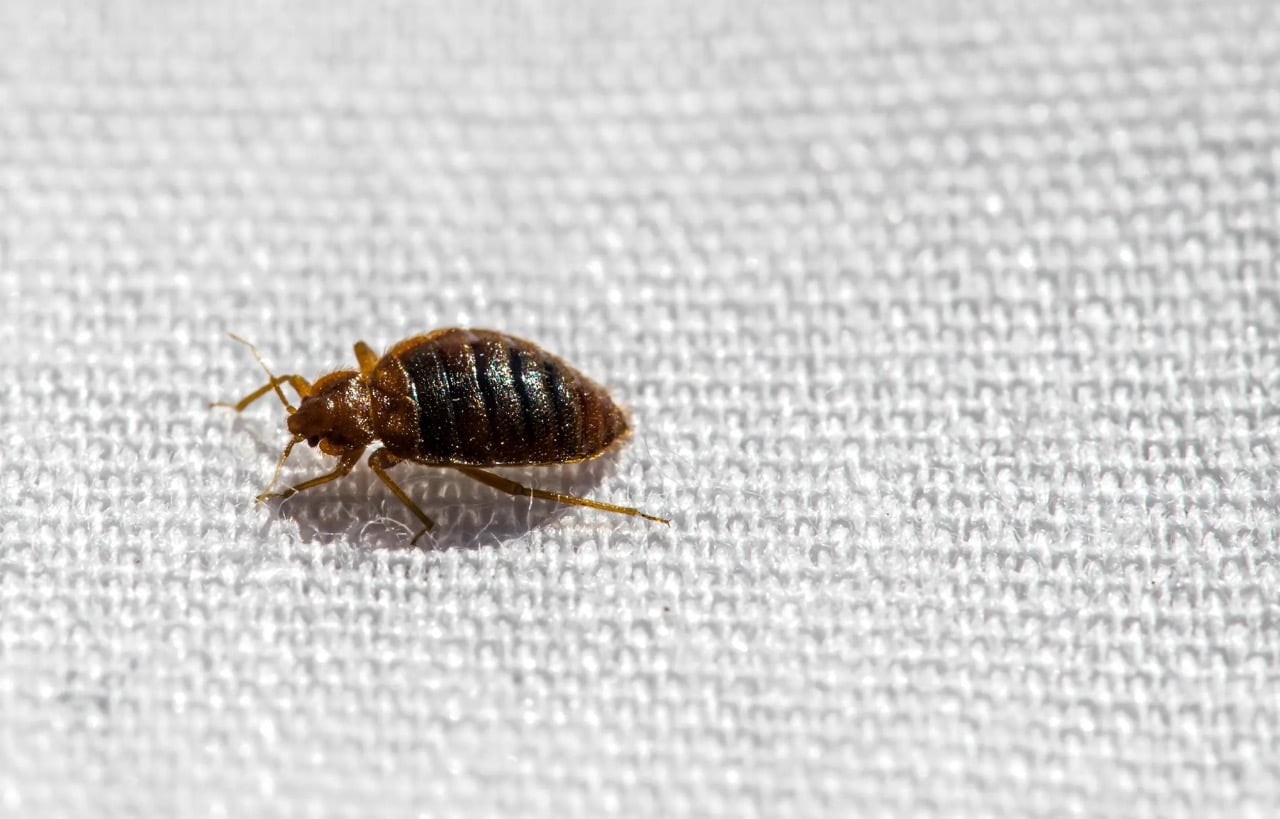
1. Bed bug shape:
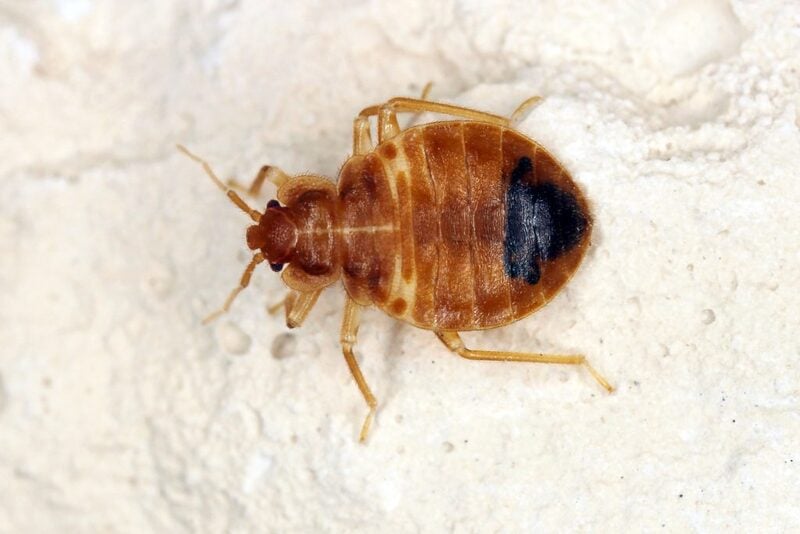
Adult bed bugs are flat and oval-shaped, brown in color, and may turn reddish after feeding. They are wingless and visible to the naked eye, but finding them can be difficult because they hide in cracks and tight spaces.
2. Places where bedbugs are found:
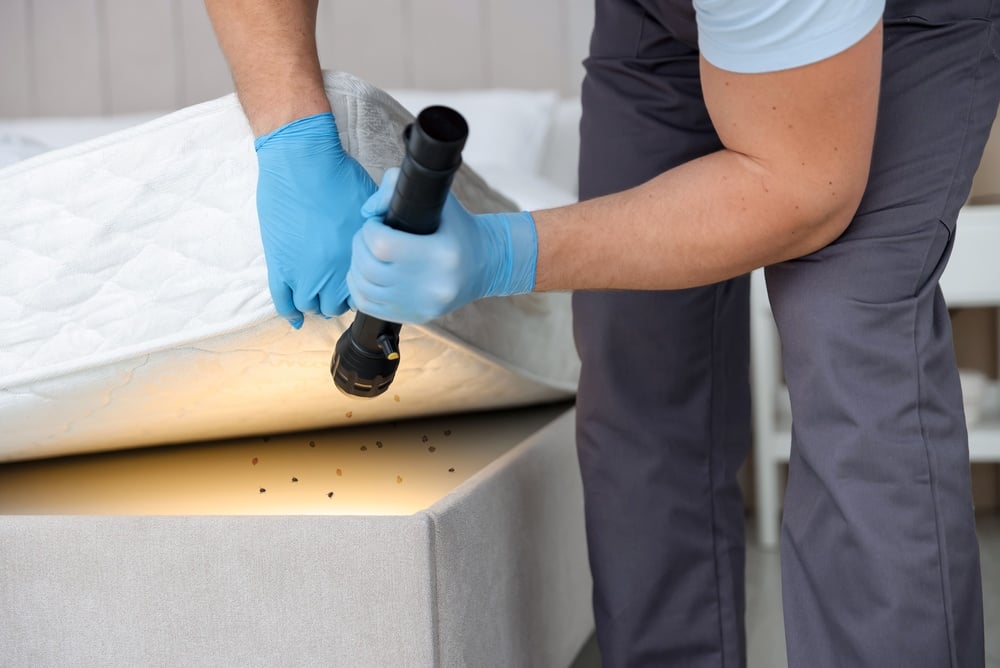
Begin by inspecting the edges and crevices of the mattress, then the underside of the mattress, the bed frame, joints and screws, and the headboard. Bed bugs can also hide in sofas, cracks in furniture, carpet edges, and areas near sleeping and sitting areas.
3. Signs of infection:
Signs that may indicate a bed bug infestation include seeing the insects themselves, finding small dark spots near their hiding places, shed skin, or tiny, light-colored eggs inside cracks and crevices. Skin lesions may appear after sleeping, but these alone are not enough to confirm a bed bug infestation, as other conditions can cause similar symptoms.
Where do bed bugs come from?
Bed bugs often travel from place to place with belongings, and common carriers include suitcases, used furniture, and clothing and furnishings from infested areas . Infestations can also spread between apartments in some buildings.
This is why bed bugs can appear even in clean homes. Cleanliness and tidiness help reduce hiding places and make it easier to detect the insect, but they do not prevent it from entering the home from an external source.
How to get rid of bed bugs
1. Examine the site of the injury:
Start with the bed or wherever signs of infestation appear, carefully inspecting the mattress, bed frame, and surrounding furniture. Identifying the insect's location makes control more precise and effective.
2. Reduce hiding places:
Get rid of unnecessary clutter around the affected area, and avoid moving items randomly from room to room so that insects don't move with them.
3. Handling clothes and furnishings:
Suitable items can be washed and dried according to their care instructions. Heat, when used appropriately within a pest control program, can be helpful, but relying solely on exposing mattresses or furniture to sunlight is not recommended as a guaranteed solution to eliminate infestations.
4. Cleaning cracks and edges:
A vacuum cleaner can be used to help remove insects that can be accessed from mattress edges, bed joints, and cracks in furniture, handling the contents of the vacuum cleaner afterward in a way that prevents the insects from re-infesting.
5. Use a suitable bed bug insecticide:
A registered insecticide specifically formulated for bed bug control can be used according to the dosage and application instructions on the product label. Options include Optiguard Flex and Tempred SC . Always ensure that the registered use of each product is correct and follow the label instructions.
6. Re-examination after treatment:
The disappearance of visible insects is not sufficient proof that the infestation is over. Re-examine the areas where bed bugs were present and watch for any new signs; there may be hiding places that the initial treatment did not reach.
Why might bed bugs reappear after spraying?
One of the most common reasons for bed bug recurrence is treating only visible areas while leaving other hiding places untreated. For example, a mattress might be treated while the insects remain inside the bed frame, in cracks, or on a nearby piece of furniture.
Therefore, the success of the control does not depend on the amount of pesticide used, but rather on determining the extent of the infestation, reaching the hiding places, and following up after treatment .
How to protect your home from bed bugs?
When traveling, avoid placing bags directly on the bed if you suspect an infection, and check your luggage upon return if necessary. It is also advisable to thoroughly inspect used furniture before bringing it into the house, and to keep the area around the bed tidy and easily accessible.
Dealing early with any suspected signs helps to control the problem before it spreads to other places.
Are bed bugs and bed mites the same thing?
No. There is a common misconception between the two terms, but bed bugs are different from house dust mites . Bed bugs are blood-feeding insects, and the adult insect can be seen with the naked eye, while dust mites are very small and do not feed on human blood.
Therefore, it is important to identify the type of pest before choosing the appropriate control method or product.
When do you need a pest control company?
If the infestation is widespread, has returned after treatment, or you cannot identify the insect's hiding places, it may be best to consult a specialist to assess the level of infestation and develop an appropriate control program.
Orchid's pest control team can be called upon to examine the infestation and determine the appropriate method for dealing with bed bugs.
Orchid's tip: Don't make spraying the entire room your first step when you see bed bugs. Start by identifying the infestation and the insects' hiding places, then treat them systematically and monitor the area after treatment. Reaching the source of the infestation is more important than spraying a larger area with insecticide.